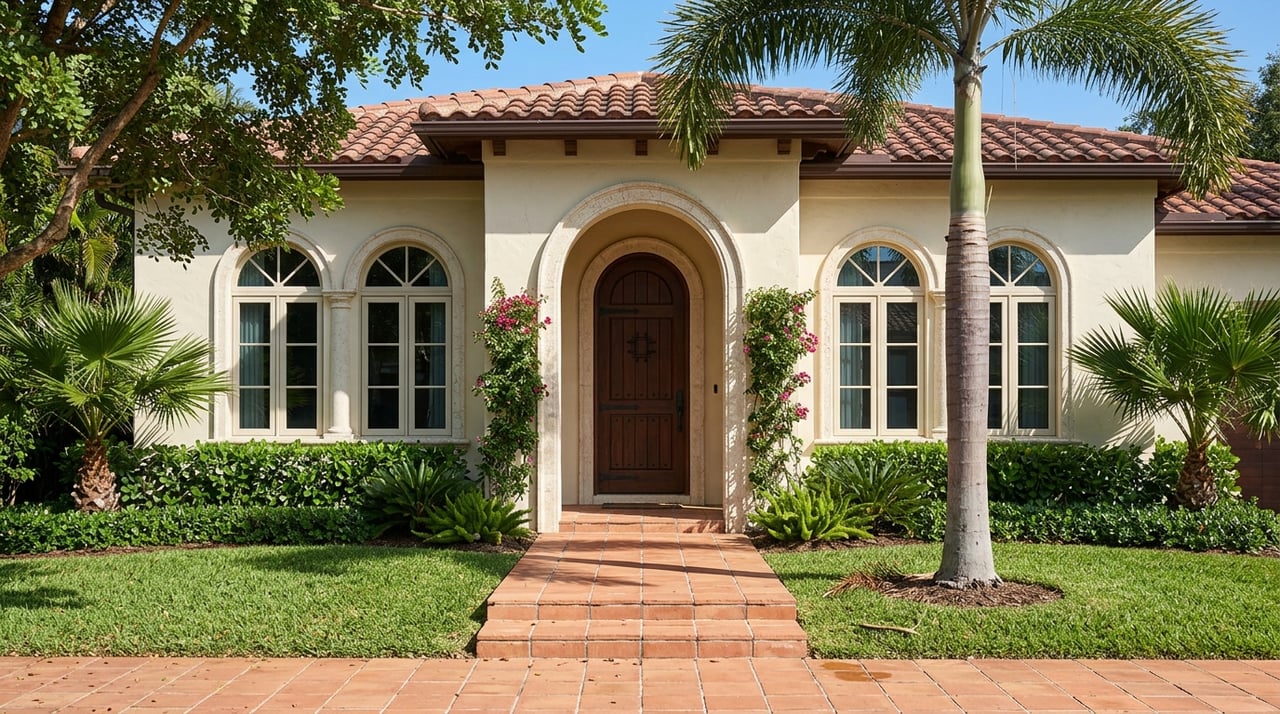
If you are drawn to the romance of stucco walls, barrel-tile roofs, and shaded courtyards, buying a historic-style home in Coral Gables can feel like finding a piece of South Florida’s architectural story. It is exciting, but it also comes with questions about preservation rules, renovation limits, and the true condition of an older property. When you know what to look for before you make an offer, you can protect both your lifestyle goals and your investment. Let’s dive in.
Why Coral Gables Historic Style Stands Out
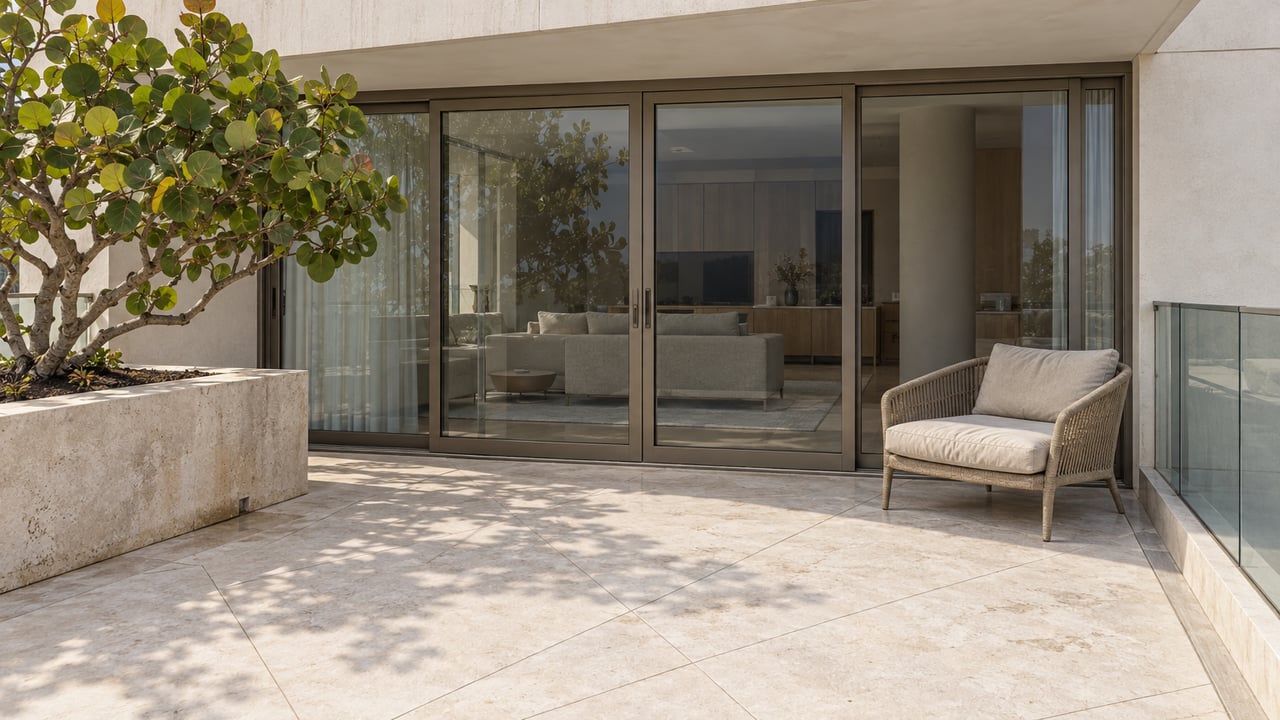
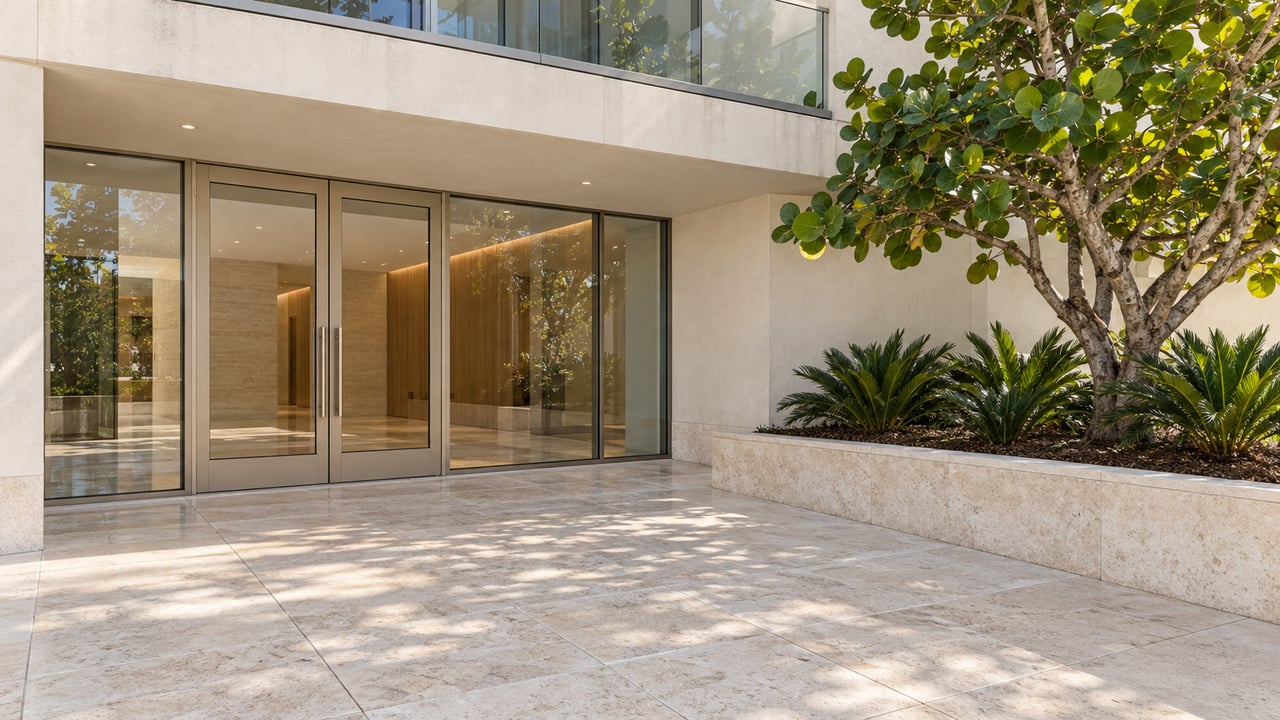
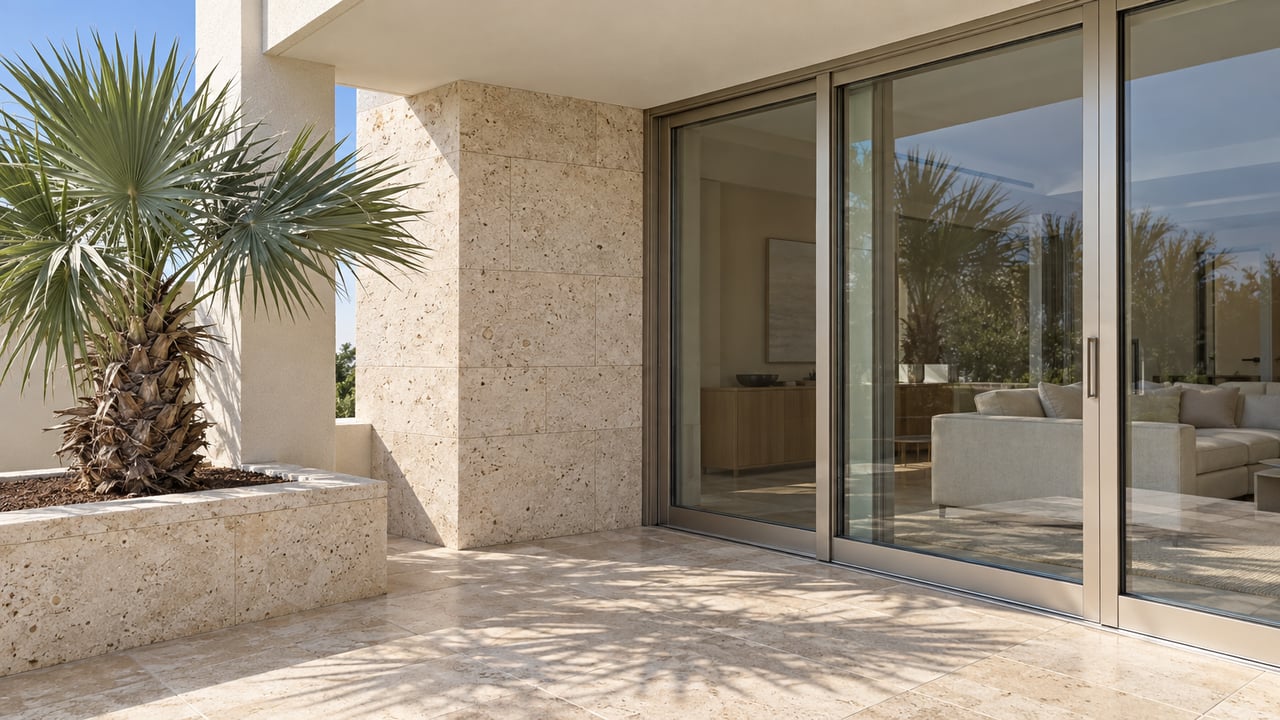
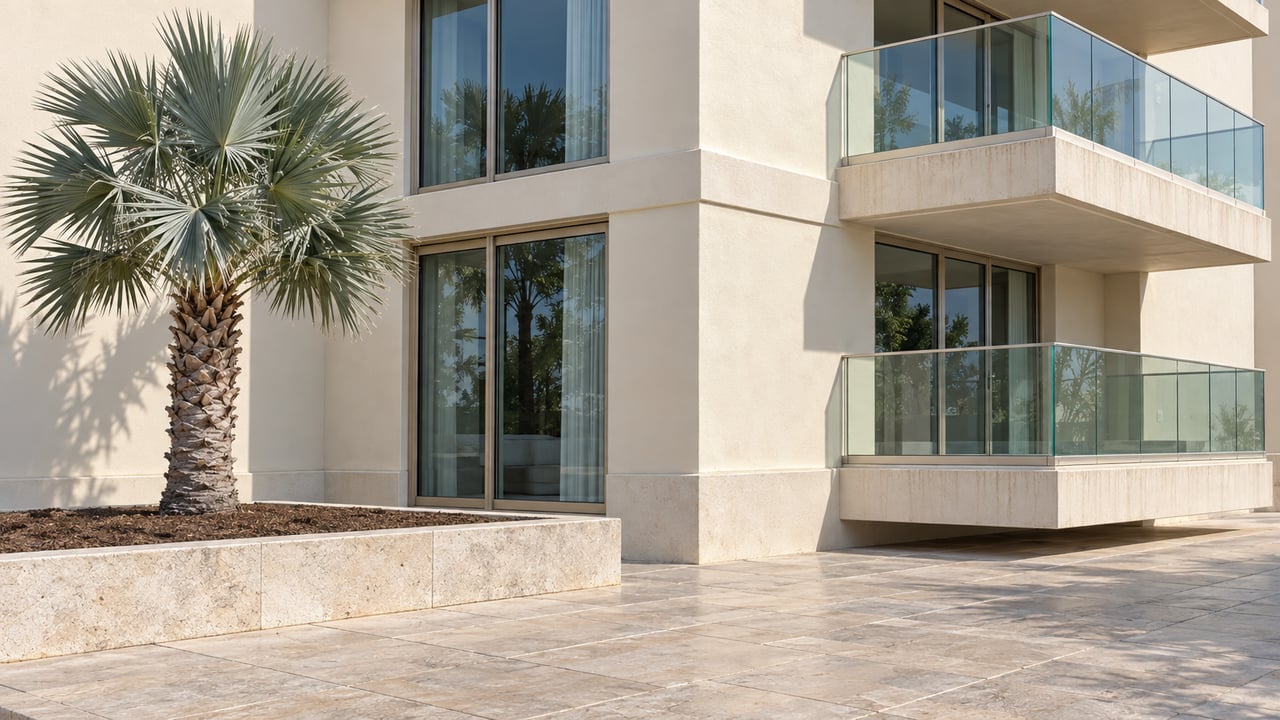
Coral Gables has a distinctive design identity rooted in George Merrick’s Mediterranean vision. Across the city, you will see recurring features like coral rock and oolitic limestone, stucco finishes, barrel-tile roofs, exposed rafter tails, arcaded loggias, courtyards, and detailed window and door surrounds.
That said, Coral Gables is not limited to one look. The city also includes themed villages with Dutch South African, Chinese, French Normandy, Colonial, French Country, French City, and Italian architectural styles. For buyers, that means you may find a broader historic design palette than many people expect.
Historic Style vs Historic Designation
One of the most important things to understand is that a home can look historic without being officially designated. In Coral Gables, the bigger issue is whether the property is locally designated or located within a designated historic district.
That distinction matters because designated properties and properties in historic districts typically require a Certificate of Appropriateness before most exterior work begins. The city requires this review before a building permit can be issued and before a variance can be granted.
Some routine maintenance items may be handled administratively. Larger changes, including additions, demolition, and major exterior remodels, are usually reviewed at a higher level through the Historic Preservation Board.
The city also notes that there are no additional fees simply because a property has historic status. Local designation does not raise assessed property taxes solely due to designation, although approved improvements may qualify for local tax incentives and a 10-year freeze on the value of those improvements.
Why This Matters Before You Buy
If you are planning to personalize the home, historic review should be part of your decision early on. Many older properties in Coral Gables predate current zoning rules, so additions and visible exterior changes may also require variances.
If redevelopment or tear-down potential is part of your plan, do not assume a non-designated house is free from review. Coral Gables can require a historic-significance request before processing a demolition permit for a non-designated structure, and eligible buildings may be referred to the Historic Preservation Board.
Key Exterior Features to Evaluate
When you tour a historic-style home in Coral Gables, the exterior often tells you the most about future costs and review requirements. The city’s preservation standards focus heavily on character-defining features and whether they remain intact.
Pay close attention to these elements:
- Roof profile and roof slope
- Window type, size, and placement
- Original or replacement doors
- Stucco condition and finish
- Loggias, porches, and porte cocheres
- Courtyards and fountains
- Site walls, fences, and driveways
- Setbacks, open green space, plants, and trees
These are not just cosmetic details. In many cases, they help define the historic character of the property and can affect how future exterior work is reviewed.
Renovating Without Losing Character
If you want to update a historic-style home, compatibility is the key idea in Coral Gables. The city’s standards emphasize preserving character-defining features while making sure additions and alterations fit the original building’s massing, size, scale, roof pitch, materials, height, and window placement.
The goal is not to create an exact copy of old construction, and it is not to attach something so different that it overwhelms the original structure. New work should be distinguishable from the old, but still feel appropriate to the home.
For homes in historic districts, infill and new construction are also judged on compatibility rather than mimicry. That can be helpful if you want a more modern function, but you still need to respect the visual language of the property and surrounding district.
What About Interior Changes?
For many buyers, this is good news. Interior remodeling is usually not subject to historic review unless you are seeking ad valorem tax relief tied to interior impacts, with only a few unusual public-space exceptions.
That means kitchens, bathrooms, layout improvements, and mechanical upgrades may be more flexible than exterior changes. You still need to confirm permit requirements and building conditions, but interior plans often face fewer preservation hurdles than rooflines, windows, courtyards, or façade changes.
Inspection Issues Older Homes Can Hide
A historic-style home can be full of charm, but older construction can also bring hidden repair costs. A careful inspection strategy matters even more when the property has older materials, prior additions, or signs of deferred maintenance.
Lead-Based Paint Risks
Homes built before 1978 are more likely to contain lead-based paint. Buyers of most pre-1978 housing have the right to receive lead-disclosure information before signing a contract.
If you plan renovations such as sanding, painting, or window replacement, lead dust can become a serious issue. It is smart to budget for lead-safe testing or properly qualified contractors before starting work.
Asbestos Concerns During Renovation
In older homes, materials like old floor tile, ceiling tile, or pipe wrap may contain asbestos. If suspect materials may be disturbed during updates, sampling by a properly trained and accredited asbestos professional is recommended before work begins.
This is one of those issues that may not affect daily living right away, but it can quickly affect renovation cost, timing, and scope.
Termites and Moisture Damage
Florida termite risk is significant, and termite damage is not covered by homeowners insurance. In an older Coral Gables home, moisture conditions often make the biggest difference.
During due diligence, ask inspectors to look closely for:
- Roof leaks
- Leaky gutters
- Poor drainage
- Sprinklers hitting the house
- Unsealed wood
- Signs of long-term moisture near the foundation or walls
These conditions can attract termites and increase the risk of more expensive structural repairs later.
Mold and Water Intrusion
Mold control starts with moisture control. If a home has had roof leaks, plumbing leaks, drainage issues, or past flooding, those items deserve extra scrutiny.
Ask the seller about any prior remediation work and visible water damage. In many cases, the bigger issue is not testing for every possible condition, but understanding the source of the moisture and whether it was properly fixed.
Flooding and Drainage Questions
For low-lying or flood-prone lots, flood history and drainage patterns matter. Coral Gables notes that new construction and many improvements require permits even in low-risk flood areas.
Before closing, it is wise to verify prior flooding, drainage behavior during heavy rain, and whether fill, additions, or other site work was done in the past. These details can shape future improvement plans and ongoing maintenance needs.
Smart Questions to Ask Before Making an Offer
When you are serious about a property, specific questions can help you avoid expensive surprises. In Coral Gables, your due diligence should go beyond finishes and floor plans.
Start with these:
- Is the property locally designated, located in a historic district, or neither?
- Have any Certificates of Appropriateness, variances, or historic reviews already been approved?
- Which features are original, and which have been replaced, including roof, windows, doors, stucco, loggias, courtyards, walls, fences, and landscaping?
- Have additions or exterior changes been completed, and were they permitted and reviewed for compatibility?
- Are there known issues with lead paint, asbestos, termites, mold, drainage, or past water intrusion?
- If redevelopment is a future possibility, could demolition or historic-significance review be triggered before permits are issued?
These questions help you understand not just what you are buying today, but what ownership may look like over time.
A Historic Home Is Also an Investment Decision
Buying a historic-style home in Coral Gables is partly emotional and partly practical. You may be buying timeless design, a prestigious address, and a one-of-a-kind property, but you are also taking on an asset that may require thoughtful planning, careful maintenance, and a clearer renovation strategy than a newer home.
That is why a data-driven, detail-oriented buying process matters. When you understand designation status, exterior constraints, and likely inspection risks upfront, you can make a more confident decision and avoid misjudging the true cost of ownership.
If you are considering a historic-style home in Coral Gables, working with an advisor who understands both the market and the operational side of ownership can make the process far smoother. To explore opportunities and evaluate properties with a practical, investment-minded approach, connect with Sergey Shulga.
FAQs
What makes a home historic-style in Coral Gables?
- Many Coral Gables historic-style homes reflect Mediterranean design, with features like stucco walls, barrel-tile roofs, coral rock, courtyards, arcaded loggias, and detailed window and door surrounds, though other historic styles also exist in the city’s themed villages.
Does a historic-style home in Coral Gables always have historic restrictions?
- No. A home may look historic without being locally designated or located in a designated historic district, so you need to verify the property’s official status before assuming preservation rules apply.
What is a Certificate of Appropriateness in Coral Gables?
- A Certificate of Appropriateness is typically required for designated properties and properties in historic districts before most exterior work begins, before a building permit is issued, and before a variance can be granted.
Can you remodel the inside of a historic-style home in Coral Gables?
- Usually yes, because interior remodeling is generally not subject to historic review unless you are seeking certain tax relief tied to interior impacts or the property includes an unusual exception.
What should buyers inspect carefully in older Coral Gables homes?
- Buyers should pay close attention to potential lead-based paint, asbestos in older materials, termite risk, roof and plumbing leaks, mold, drainage issues, and any past flooding or water intrusion.
Can you demolish a non-designated older home in Coral Gables?
- Not always without review, because the city can require a historic-significance request before processing a demolition permit for a non-designated structure, and eligible buildings may be referred for further review.