Choosing a home in Coral Gables is not just about square footage or a price point. It is about deciding what kind of daily setting fits you best, from shaded historic streets to walkable blocks near restaurants and civic landmarks to private waterfront enclaves. If you are trying to understand how Coral Gables actually feels from one area to the next, this guide will help you read the city with more confidence. Let’s dive in.
Why Coral Gables Feels So Distinct
Coral Gables was planned with a strong visual identity, not as a typical South Florida suburb. The city describes its roots through a City Beautiful and Garden City vision, with green avenues, civic landmarks, and a cohesive streetscape that still shapes how the community looks today.
That identity is reinforced by preservation and design oversight. Coral Gables says more than 1,000 properties are on the Coral Gables Register of Historic Places, and its preservation framework dates back to 1973. In practical terms, that means architecture here is influenced by city standards and review, not only by changing design trends.
Mediterranean Style Sets the Tone
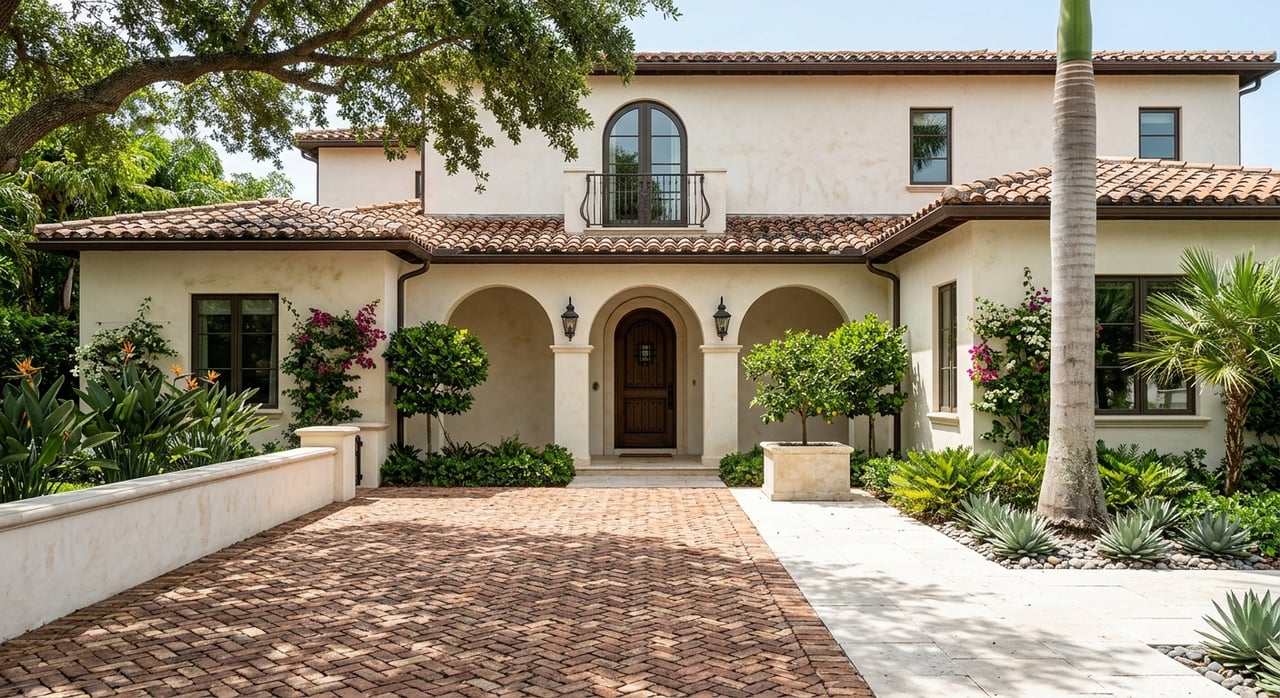
When most buyers picture Coral Gables, they picture Mediterranean Revival homes. That association comes directly from the city's landmark character, seen in places like City Hall, the Biltmore Hotel, Douglas Entrance, Coral Gables Elementary, and the Cocoplum Woman’s Club.
You will also notice details that give the area its warm, established look. Early buildings such as the Merrick House reflect the use of native coral rock and other local materials, which helped create the old-world character that still defines many streets.
Common Mediterranean Features You May Notice
While each property is different, many Coral Gables homes share a visual language shaped by city guidance and preservation priorities.
- Stucco exteriors in warm, restrained tones
- Barrel tile or other traditional roof expressions
- Arched openings and balanced proportions
- Decorative ironwork and courtyard elements
- Landscaping that feels integrated with the architecture
The overall result is a city where homes often feel connected to one another, even when they vary in size, age, or level of renovation.
Coral Gables Is Not One-Style Living
A common mistake is to think all of Coral Gables looks the same. In reality, the city includes a curated mix of styles and small, highly recognizable architectural pockets that create a more layered neighborhood experience.
The city’s historic villages were intentionally planned to diversify the housing character. These include Dutch South African, Chinese, French Normandy, Florida Pioneer and Colonial, French Country, French City, and Italian Village. Each one brings a different visual rhythm to the street, from steep gables and half-timbering to ornamental gates or more formal, village-like layouts.
Historic Villages Add Character
These areas stand out because they are easy to read visually. You can often sense a change in style within just a few blocks, which is part of what makes Coral Gables appealing to buyers who want something specific rather than generic.
For example, the Chinese Village is arranged in a compound-style format with decorative entry elements. The French Normandy Village uses steep rooflines and half-timber details, while the Florida Pioneer and Colonial Village was designed to evoke a more stately, traditional streetscape.
MacFarlane Homestead Feels Different
One especially important exception is the MacFarlane Homestead subdivision. The city identifies it as the only historic district within Coral Gables listed in the National Register of Historic Places, and its late-1920s and 1930s homes are largely wood-frame vernacular residences.
That makes the area feel visually distinct from the city’s Mediterranean core. If you are comparing homes across Coral Gables, this is a reminder that the market is better understood as a collection of micro-neighborhoods rather than one single housing style.
How Newer Homes Fit In
If you prefer newer construction, Coral Gables still offers options. The key difference is that newer homes are not fully detached from the city’s broader design framework.
The Board of Architects reviews new residences and many exterior changes, including standards tied to materials, color, fenestration, proportion, and neighborhood harmony. The city also requires tree surveys and tree-protection plans in many review processes, which supports the landscaped feel buyers often notice on residential streets.
Modern Design, Local Rules
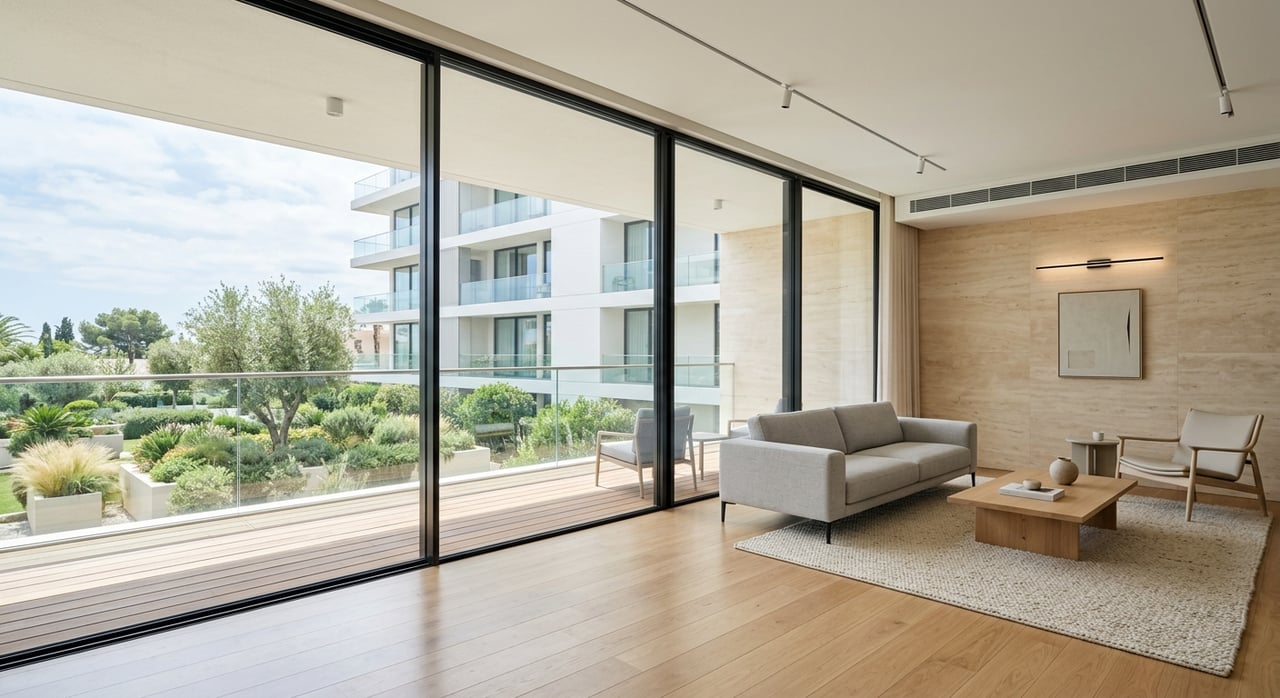
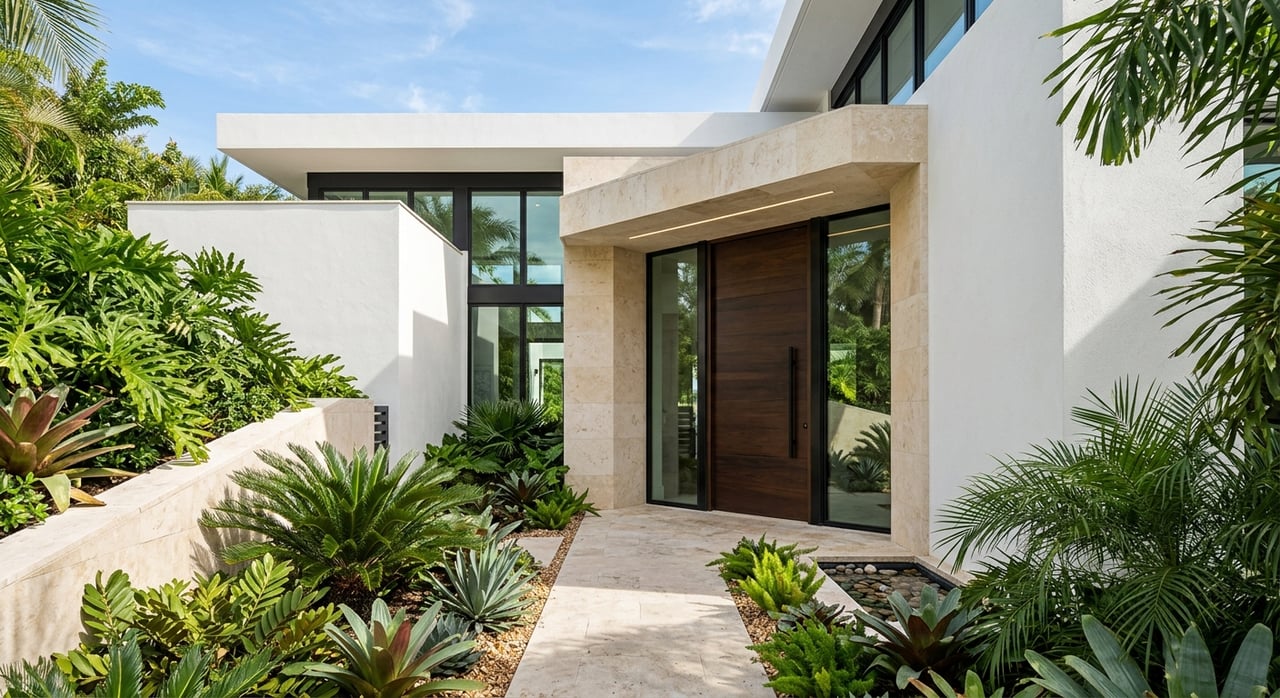
Coral Gables does allow contemporary and updated homes, but they are expected to work within the city’s visual standards. The single-family design guidance emphasizes a controlled palette, warm Mediterranean tones, and harmonious proportions.
That is why newer homes here often feel polished and tailored to their setting instead of visually disconnected from the block. Even when a house is modern in layout or finish, the exterior presence usually reflects the city's emphasis on compatibility.
Development Is Still Active
Coral Gables is not frozen in time. A June 2025 city memo stated that 736 residential units were under review, approved, permitted, or under construction, showing that infill and redevelopment remain active parts of the local housing story.
For buyers, that means you can find a mix of historic homes, renovated residences, and newer product. The city’s review system is a major reason those different eras still feel tied together.
Neighborhood Feel Changes by Area
The clearest way to understand Coral Gables is to think in terms of lifestyle zones. Some parts of the city feel landmark-rich and walkable, others feel shaded and residential, and others lean private, waterfront, and estate-like.
That variety matters because two homes with similar specifications can deliver very different day-to-day experiences depending on the setting around them.
Downtown and Historic Core
If you want the most walkable and active atmosphere, the downtown-adjacent core usually stands out. This area is shaped by landmarks and civic places such as City Hall, the Merrick House, Douglas Entrance, the Biltmore, Miracle Mile, and Giralda Plaza.
Giralda Plaza is a pedestrian walkway lined with restaurants, bars, and coffee shops, which adds energy and convenience. Nearby, the Village of Merrick Park brings a mixed-use blend of retail, residential, and office uses that adds to the urban feel.
Quiet Residential Streets
Away from the most active core, many residential streets feel calmer and greener. Coral Gables says it has 22 parks and 33 public tennis courts, and the city highlights neighborhood parks with canopy trees and garden-style settings.
The tree canopy is a major part of the experience. The city notes that southern live oaks make up about 25% of the urban tree canopy, which helps explain why so many blocks feel shaded, established, and residential even when they are not far from shops or main roads.
Waterfront and Estate Areas
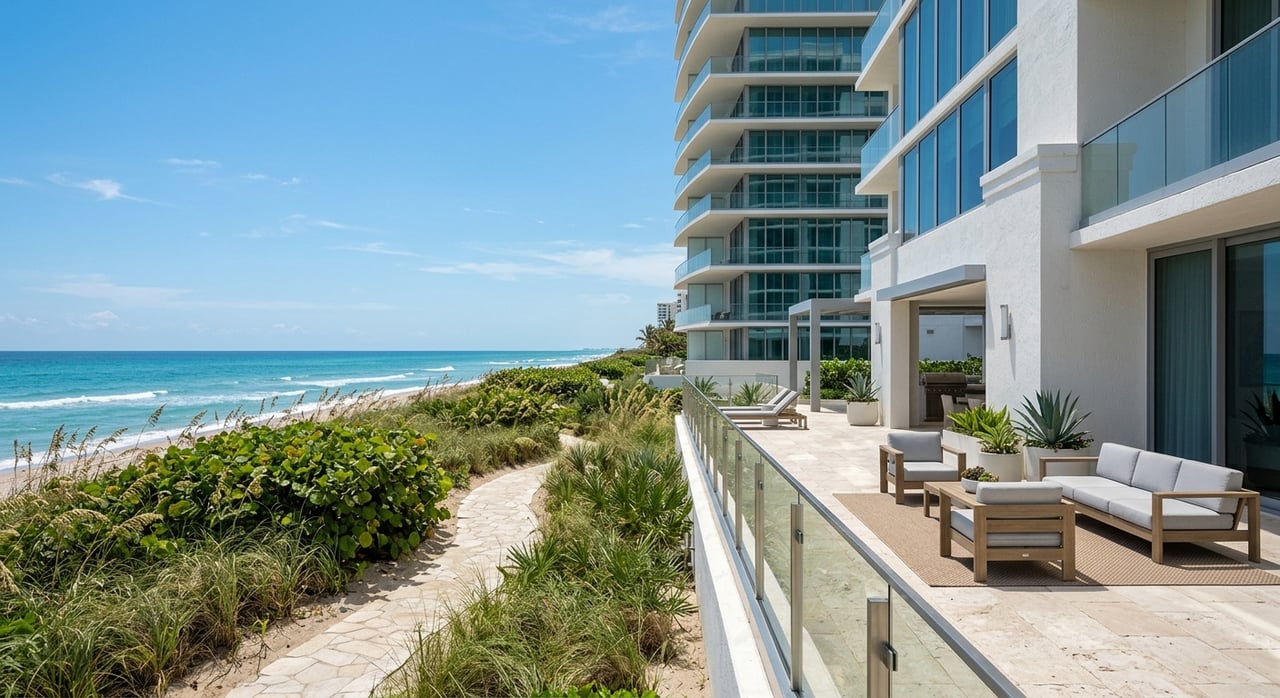
If privacy and larger-scale residential settings matter most to you, the waterfront south end of Coral Gables often has a different feel from the central grid. City paperwork references areas such as Gables Estates, Cocoplum and Isles of Cocoplum, Snapper Creek, Deering Bay, and Journey’s End.
These areas are associated with a more secluded, estate-oriented environment. Coral Gables also notes that it has more than 42 miles of scenic shoreline and maintains waterway buffer zones, which supports the more private, water-focused character found in these parts of the city.
What Buyers Should Take Away
For most buyers, the biggest insight is simple: Coral Gables is not one uniform market. It offers a range of living environments that can feel very different from one another, even though the city maintains a strong overall identity.
If you are drawn to architectural character, the historic-villa streets and themed villages may be the strongest fit. If you value walkability and activity, the downtown core and Giralda or Miracle Mile area may feel more natural. If you want privacy, waterfront access, or estate scale, the southern enclaves deserve closer attention.
How to Tour Coral Gables Smarter
When you are comparing homes here, it helps to evaluate more than the house itself. In Coral Gables, design review, preservation context, trees, block pattern, and proximity to landmarks all shape value and daily experience.
A smart tour should focus on both architecture and setting. That is especially important if you are relocating, buying a second home, or assessing long-term value from an ownership perspective.
Questions to Ask Yourself During a Showing
- Do you want a historic look or a newer build with traditional compatibility?
- Would you rather be near dining and pedestrian activity or on a quieter residential street?
- How important are lot size, privacy, and waterfront surroundings?
- Do you prefer a distinctly themed architectural pocket or a more classic Mediterranean block?
- Are mature trees and landscaped streets part of your ideal setting?
The answers can quickly narrow which part of Coral Gables feels right for you.
If you are considering Coral Gables as a home or long-term asset, it helps to work with someone who can read both the neighborhood feel and the bigger market picture. For tailored guidance on Coral Gables homes, private opportunities, and strategic buying decisions across Miami-Dade, connect with Sergey Shulga.
FAQs
What home styles are most common in Coral Gables?
- Mediterranean Revival is the style most buyers associate with Coral Gables, but the city also includes distinct historic villages with Dutch South African, Chinese, French Normandy, Florida Pioneer and Colonial, French Country, French City, and Italian influences.
What makes Coral Gables neighborhoods feel different from each other?
- The city changes from block to block based on architecture, landscaping, walkability, landmark concentration, and whether an area is in the historic core, a quiet residential section, or a more private waterfront enclave.
Are there modern homes in Coral Gables?
- Yes. Newer construction exists, but it is reviewed through the city’s design process, which aims to keep homes visually compatible with Coral Gables’ traditional character.
What part of Coral Gables feels most walkable?
- The downtown-adjacent historic core, including areas around Miracle Mile and Giralda Plaza, generally offers the most walkable setting with restaurants, coffee shops, and civic landmarks nearby.
Which parts of Coral Gables feel most private?
- Waterfront and gated enclave areas in the southern part of the city, including places referenced by the city such as Gables Estates, Cocoplum, Snapper Creek, Deering Bay, and Journey’s End, typically offer the most secluded and estate-like environment.
Why do so many Coral Gables streets feel shaded and established?
- The city emphasizes landscaping and open space, and it reports that southern live oaks make up about 25% of the urban tree canopy, which contributes to the mature, green character many buyers notice.