You have dozens of gleaming towers to choose from in Brickell, but not all buildings are equal behind the glass. If you want strong lifestyle value and long-term resale, the right choice comes down to building health, rules, and numbers, not just views. You deserve a clear way to compare towers and protect your investment.
In this guide, you’ll learn the key rules that shape Brickell condo ownership, the building documents to request, and a simple scoring framework to pick your best-fit tower. Let’s dive in.
Why Brickell condo choice is different
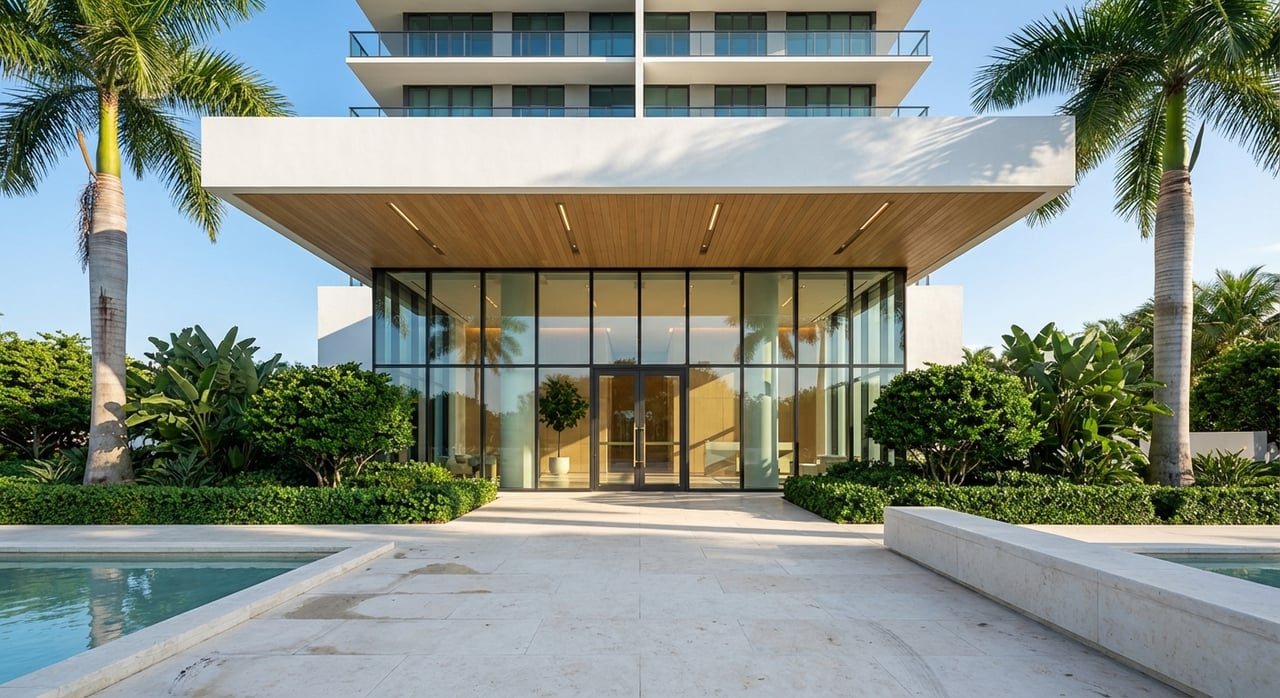
Brickell is a predominantly high-rise condominium neighborhood with luxury towers, mixed condo-hotel product, and a blend of owners and investors. In vertical buildings, shared systems, façades, elevators, and podium garages concentrate risk and cost. That is why building reserves, engineering history, and insurance can matter as much as finishes inside your unit.
High amenity expectations also raise operating costs. Larger staff footprints, valet, pools, clubs, and food and beverage programs often translate into higher HOA dues. The right building balances amenities with sound financial planning so your monthly costs stay predictable over time.
Know the rules that shape your choice
Florida SIRS and structural reserves
Florida law now requires most 3-plus story condo associations to obtain a Structural Integrity Reserve Study, fund key structural reserves, and share details with owners. These updates tie directly to board duties and what buyers should receive in resale packets. Reviewing the association’s most recent SIRS and reserve plan helps you gauge near-term assessment risk. See the statute for scope and timing in Chapter 718.112 on the Florida Senate site.
Miami-Dade recertification milestones
Miami-Dade’s recertification program now requires structural and electrical milestone inspections on a defined schedule, with the first milestone around 30 years and follow-ups at regular intervals. If a building is approaching a milestone, plan for engineering work and potential assessments. Confirm status on the county portal and ask for engineering reports referenced in board minutes. Review details on the Miami-Dade recertification page.
Insurance costs and special assessments
After the Surfside collapse, statewide reserve mandates and a tighter insurance market increased association expenses. Reporting shows owners across Florida have faced higher dues and, in some buildings, large special assessments or HOA borrowing to fund repairs. Understand how insurance and reserve changes affect your tower choice by asking for the building’s budget, claims history, and planned capital projects. See context in coverage from the Associated Press and ongoing market analysis in the Insurance Journal.
Lender rules and project eligibility
Fannie Mae and Freddie Mac apply project-level standards to condos. Buildings with significant deferred maintenance, weak insurance, high delinquency, or major litigation can be flagged as ineligible for conventional loans. That can limit your buyer pool at resale. If you need a mortgage, have your lender check project eligibility early using agency tools and guidance such as Fannie Mae’s project standards and the Condo Project Manager.
FHA and VA approvals
If you plan to use FHA or VA financing, confirm the building’s approval status before you write an offer. FHA approvals expire and must be renewed, and some buildings rely on single-unit approvals. Use HUD’s public search to verify a project at the FHA condominium lookup.
Short-term rental rules
Short-term rentals in the City of Miami are treated as lodging uses that require proper zoning, a Certificate of Use, a Business Tax Receipt, and compliance with operating rules. Even if the city allows lodging in a district, the condo’s governing documents may prohibit it. Always confirm both municipal rules and the association’s rental policies. Start with the city’s short-term rental information.
Compare buildings like a pro
Use these buyer-impact factors and request the right documents for each tower on your shortlist.
HOA fees and amenity package
- Why it matters: Dues drive monthly affordability. Hotel-grade amenities and large staff count raise operating costs.
- What to request: Current operating budget, 12-month P&L, year-to-date financials, and vendor contracts for major services. Look for separate club or membership fees.
Reserves and engineering history
- Why it matters: Underfunded reserves and pending façade, balcony, garage, or waterproofing work point to future assessments.
- What to request: Most recent reserve study or SIRS, reserve bank balance, milestone inspection or engineering reports, and timelines with cost ranges. Florida’s SIRS requirements are summarized in Chapter 718.112.
Insurance program and deductibles
- Why it matters: High windstorm or hurricane deductibles can shift loss-assessment exposure to owners. Non-renewals are red flags.
- What to request: Master policy declarations, deductible schedule, claims history, and any insurer non-renewal or takeout notices. Market stress remains a key driver of HOA cost increases, as noted in the Insurance Journal.
Rental policy and investor fit
- Why it matters: Minimum lease terms, rental caps, and owner-occupancy requirements affect cash flow and resale liquidity.
- What to request: Declaration and leasing rules, any amendments, and an owner-occupancy or rental ledger showing owner vs. tenant counts. Cross-check city lodging rules if you plan to host short stays via the City of Miami STR guidance.
Governance and management quality
- Why it matters: Transparent boards and competent management protect value through solid budgeting, records, and contract oversight.
- What to request: Management contract, 12 to 36 months of board minutes, audited or reviewed financials, delinquency reports, and any special-meeting notices tied to capital projects. Florida’s recent updates also expand association record-keeping obligations for larger communities.
Location and unit-level realities
- Why it matters: View corridors, floor height, bay exposure, proximity to mechanicals, and noise from major roads all influence enjoyment and resale.
- What to request: Stacks and line maps, recent appraisal or comp packages, noise and vibration notes from the seller disclosures, and an on-site visit during rush hour.
Financing readiness
- Why it matters: Buildings acceptable to Fannie, Freddie, and FHA open more financing options and support resale values.
- What to request: Any recent lender project questionnaires, litigation disclosures, budget and insurance packets, plus a lender check against agency criteria in Fannie Mae’s project standards and FHA’s condo lookup.
A simple, step-by-step framework
Before tours: screening checklist
Request these items from each building or listing agent so you can filter fast:
- Current year budget, latest YTD financials, and most recent audit or review
- Reserve study or SIRS and current reserve balance statement
- Master insurance declarations and deductible schedule
- 12 to 36 months of board minutes and any special-meeting notices
- Engineering and milestone inspection reports, with completion status
- Litigation disclosure and vendor contracts for major systems
- Rental rules and an owner-occupancy or rental ledger
- Estoppel or resale certificate with assessment status
- FHA/VA status via HUD’s condo search
- County milestone status via the Miami-Dade recertification portal
During tours and manager interviews
Ask targeted, building-specific questions:
- Which amenities have separate fees or memberships beyond HOA dues?
- What capital projects are planned, how will they be funded, and when?
- Do recent engineering reports address façade, garage, or waterproofing items?
- What are typical elevator outage response times and remaining warranties on major systems?
- Is the seller’s unit subject to any announced or pending special assessment?
Score your shortlist with weights
Create a 0 to 10 score for each factor, then apply these example weights:
- Reserve adequacy and capital plan: 30 percent
- Building condition and inspections: 25 percent
- HOA cost and trend, including known assessments: 20 percent
- Rental rules and financing readiness: 15 percent
- Amenities, lifestyle fit, and micro-location: 10 percent
Multiply, sum, and compare across towers. This helps you see tradeoffs, like higher dues with excellent reserves versus low dues with low reserves.
Write a stronger offer
Protect your downside and financing path:
- Add an extended documents review contingency and require an updated SIRS or engineering report if a milestone is near. Florida’s recent changes recognize expanded condo review timelines in practice under Chapter 718 updates. See context in state bill summaries.
- Include a lender project-eligibility contingency if you need conforming or FHA financing, or specify your cash or nonconforming plan.
- Ask for confirmation that no unpaid or pending special assessments will transfer to you at closing.
Red flags to pause or remove a tower
- No recent reserve study or very low reserves versus SIRS recommendations
- Repeated special assessments without a published multi-year plan
- Master policy non-renewals or very high windstorm deductibles
- Major litigation that could restrict liquidity or trigger insurance issues
- Building flagged as ineligible by agency lenders or lacking FHA approval when you need it; industry coverage has highlighted how project-level finance hurdles can stall sales, as noted by the Wall Street Journal
Brickell buyer quick checklist
- Verify SIRS, reserves, and milestone inspection status
- Review the full operating budget and HOA dues trend for 3 years
- Confirm master insurance coverage, deductibles, and any claim history
- Check rental minimums, caps, and owner-occupancy ratios
- Have your lender pre-screen project eligibility early
- Compare view, noise, and stack lines on-site, day and night
- Score each tower using the weighting model to drive your final pick
Make a confident Brickell choice
The right Brickell condo tower blends great lifestyle value with durable building fundamentals. When you review SIRS and milestone reports, pressure-test the budget and insurance, and confirm lender project eligibility up front, you lower assessment risk and protect your exit.
If you want a data-driven shortlist and on-the-ground insight into reserves, inspections, insurance, and rental policies, connect with Sergey Shulga to access curated inventory, due diligence support, and investor-grade analysis. Schedule a Consultation.
FAQs
What is a Florida Structural Integrity Reserve Study and why does it matter?
- It is a legally required assessment of key structural components and reserve funding for 3-plus story condos that helps you gauge future assessment risk; see Chapter 718.112 on the Florida Senate site.
How do Miami-Dade recertification milestones affect Brickell buyers?
- Buildings near a 30-year or subsequent milestone may face inspections and repair planning that can lead to higher dues or special assessments; check the county portal.
Can I use FHA or VA loans to buy a Brickell condo?
- Yes, if the building is approved or qualifies for a single-unit approval; confirm current status with HUD’s condo lookup before making an offer.
Why are HOA dues rising in many Florida condos?
- Stronger reserve and inspection rules plus a tighter insurance market have increased association expenses statewide, as covered by the Associated Press and Insurance Journal.
What documents should I review before choosing a Brickell tower?
- Ask for the budget, reserve study or SIRS, insurance declarations, engineering and milestone reports, board minutes, rental policies, litigation disclosure, and the estoppel or resale certificate.
How do lender project rules impact my resale value?
- Buildings that meet Fannie, Freddie, and FHA standards support more financing options for future buyers, which generally helps liquidity; review Fannie’s project standards early with your lender.