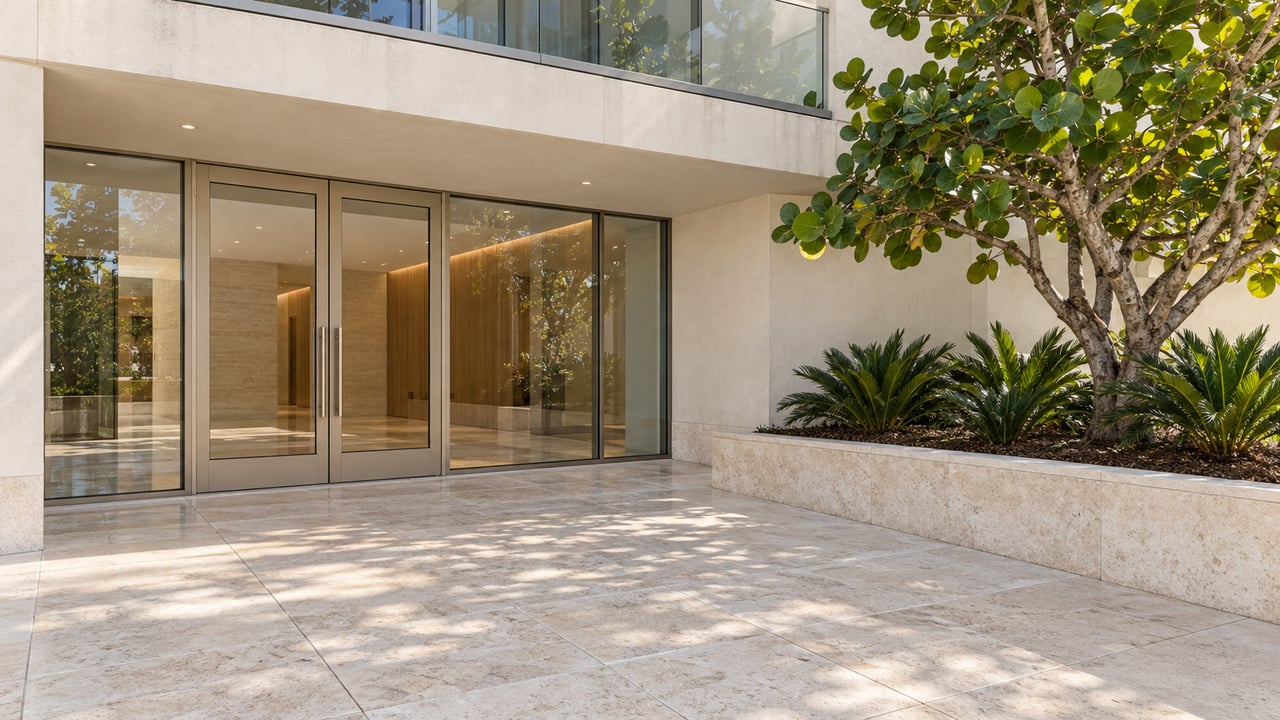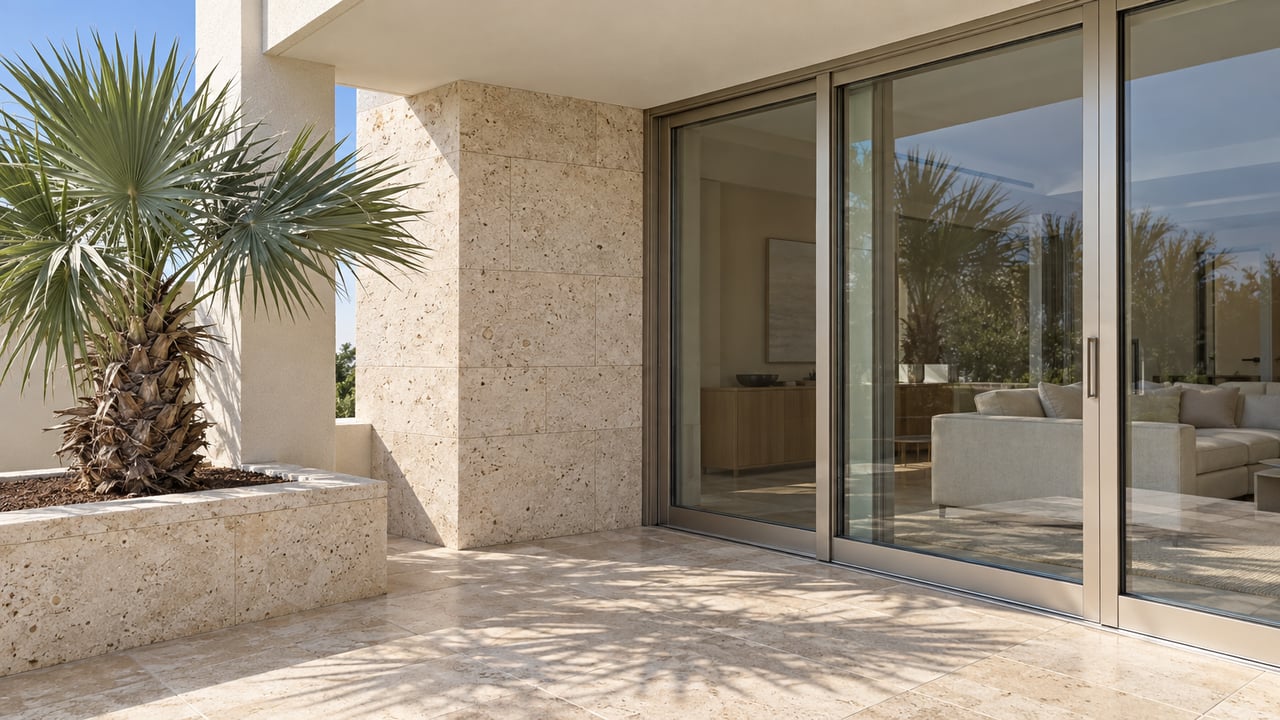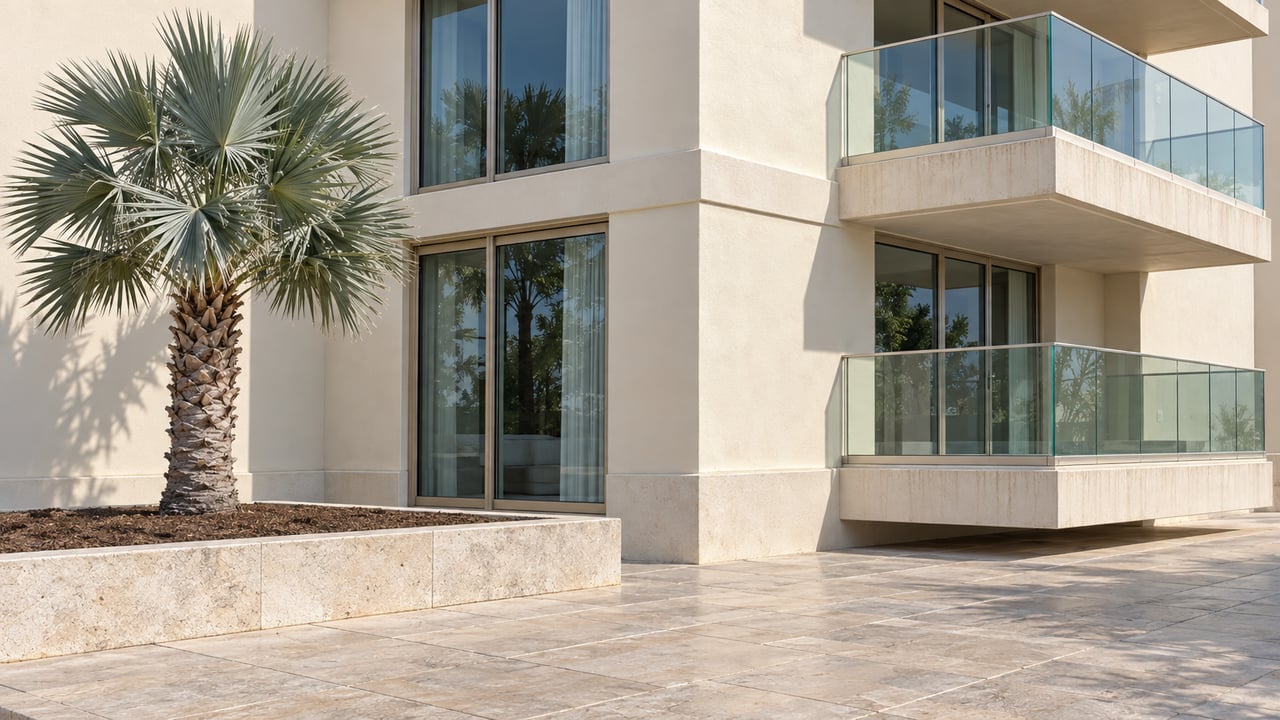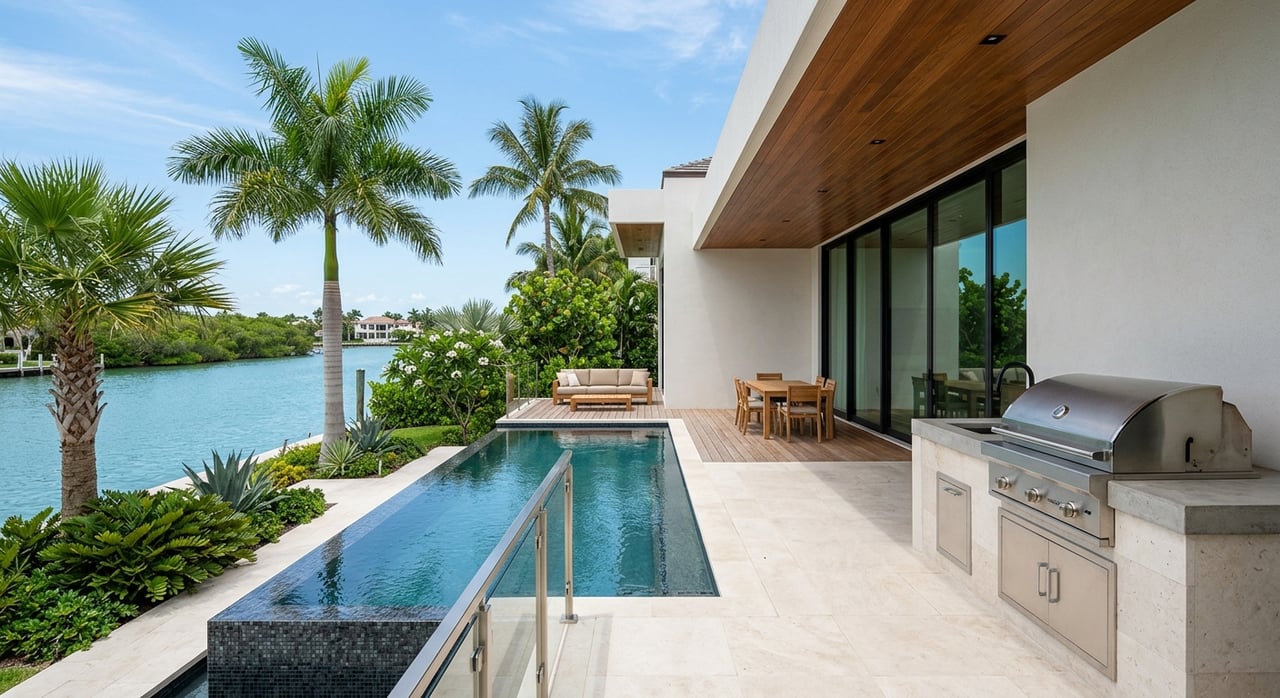
Thinking about a move to Fort Lauderdale? The first thing to know is simple: this is not one-size-fits-all market. Your experience can look very different depending on whether you want a downtown condo, a close-in historic home, a waterfront property, or an inland neighborhood with a more residential feel. This guide will help you understand Fort Lauderdale’s neighborhood patterns, home types, commute options, and relocation must-knows so you can narrow your search with confidence. Let’s dive in.
Why Fort Lauderdale Feels Different
Fort Lauderdale’s estimated 2024 population is 190,641, and the city blends beach access, urban living, and residential neighborhoods across a wide local map. According to the U.S. Census QuickFacts for Fort Lauderdale, the city’s median household income is $83,130, the median value of owner-occupied homes is $486,700, median gross rent is $1,854, and the mean travel time to work is 26.1 minutes.
What makes Fort Lauderdale especially important for relocation clients is its variety. The city highlights a waterways-and-beach identity with 165 miles of inland waterways, while its planning documents also show a broad housing mix that includes dense urban districts, older east-side neighborhoods, waterfront enclaves, and inland residential areas. In practical terms, that means your home search should start with lifestyle and property priorities, not just a citywide average.
Start With Fort Lauderdale Submarkets
Downtown and Flagler Village
If you want a more urban setup, Downtown Fort Lauderdale and Flagler Village are the clearest starting points. The city officially recognizes both neighborhood associations, and it notes that density continues to expand outward from the downtown core into Flagler Village.
This area tends to fit buyers who want condos, mixed-use buildings, and easier access to dining, entertainment, and civic destinations. The free LauderGO! Downtown Link connects Downtown Fort Lauderdale with the BCT Central Terminal, the courthouses, and Flagler Village, which can make daily movement easier if you prefer a more connected urban lifestyle.
A practical detail matters here: parking can be tighter in denser districts. The city created a Flagler Village residential parking permit program as density increased, which is a useful signal if parking convenience is high on your list.
Close-In Residential Areas
For buyers who want to stay near the core without choosing a fully urban condo environment, neighborhoods like Victoria Park, Rio Vista, and Colee Hammock are worth understanding. These are established areas with more traditional residential patterns, and each one has a distinct feel.
The city identifies Rio Vista as one of Fort Lauderdale’s oldest neighborhoods, located on the south shore of the New River, with predominantly Mediterranean Revival homes. Victoria Park is another recognized neighborhood with active infrastructure work, while Colee Hammock is part of the city’s residential parking permit system, suggesting older street layouts and more on-street parking demand than many inland areas.
For relocation buyers, these neighborhoods often appeal when you want proximity to downtown and Las Olas but prefer a home setting over a high-rise environment.
East-Side Waterfront Areas
If your move to South Florida is tied to boating, water views, marina access, or proximity to the beach, Fort Lauderdale has several official neighborhood associations that stand out. These include Coral Ridge, Coral Ridge Country Club Estates, Coral Ridge Isles, Harbor Beach, Harbour Inlet, Las Olas Isles, and Lauderdale Harbours.
These neighborhoods support the classic east-of-downtown Fort Lauderdale lifestyle many buyers picture first. At the same time, the city also makes clear that low elevation and extensive waterways increase vulnerability to king tides and sea-level rise, so waterfront searches should include flood diligence from the start.
Inland Neighborhood Options
One common relocation mistake is assuming Fort Lauderdale is only about the beach, canals, and downtown towers. The city’s official neighborhood list includes areas such as Croissant Park, River Oaks, Riverland, Riverland Village, River Run, Durrs, Home Beautiful Park, and Historic Dorsey-Riverbend.
That broader map matters because it opens up more options by property type, street pattern, lot size, and budget. If you are relocating with a flexible lifestyle goal, exploring inland neighborhoods may help you find more of the space or home style you want without focusing only on the most publicized parts of the city.
What Types of Homes You’ll Find
Fort Lauderdale has a more mixed housing inventory than many buyers expect. In the city’s housing analysis, 36.9% of homes were detached single-family units, while 31.3% were in buildings with 20 or more units. The same report also shows attached homes and smaller multifamily buildings across the market.
That mix helps explain why Fort Lauderdale can serve several buyer profiles at once. You can search for a condo near downtown, a smaller attached home, a close-in single-family property, or a larger waterfront residence, all within the same city.
Compared with Broward County overall, Fort Lauderdale has a lower owner-occupied rate and a stronger condo and apartment presence. According to Census housing data, the city’s owner-occupied housing rate is 54.1%, compared with 63.6% in Broward County, and the local median owner-occupied home value is $486,700.
How To Match Neighborhood to Home Type
When you relocate to Fort Lauderdale, it helps to filter your search in this order:
- Neighborhood character: urban, close-in residential, waterfront, or inland
- Property type: condo, attached home, single-family home, or smaller multifamily
- Parking and transit tolerance: whether you want easy parking or can live with a denser setup
- Flood exposure: especially important for east-side and waterfront searches
This approach reflects the city’s actual layout better than relying on broad citywide numbers. In Fort Lauderdale, two neighborhoods only a short drive apart can deliver very different day-to-day experiences.
Commute and Transportation Basics
Fort Lauderdale is still mostly a driving city. Data USA reports that 64.4% of workers drove alone to work in 2024, 19% worked from home, and the average commute time was 26.1 minutes. It also reports an average of 2 cars per household.
That said, some neighborhoods support a more car-light routine than others. The city’s free LauderGO! Community Shuttle includes five routes: Beach Link, Las Olas Link, Downtown Link, NW Community Link, and Neighborhood Link. These routes can be especially helpful if you plan to spend time in the urban core, near the beach, or around Las Olas destinations.
Regional mobility is also stronger than many buyers expect. Tri-Rail’s Fort Lauderdale Station connects with Broward County Transit routes, and the city notes that Brightline has a downtown Fort Lauderdale stop. For professionals who travel between Miami, Fort Lauderdale, and West Palm Beach, that rail access can be a major quality-of-life factor.
Lifestyle and Daily Living
Fort Lauderdale’s appeal goes beyond housing. The city points to Riverwalk, the Broward Center for the Performing Arts, the Museum of Discovery and Science, NSU Art Museum Fort Lauderdale, Old Fort Lauderdale Village and Museum, and Las Olas Boulevard as major lifestyle anchors.
For beach use, residents can also benefit from a discounted beach parking permit for selected city locations, according to the city’s neighborhood information page. If regular beach access is part of why you are moving here, that everyday convenience is worth noting.
Fort Lauderdale also works well for travel-heavy households. Broward County says Fort Lauderdale-Hollywood International Airport offers nonstop service to more than 150 U.S. and international cities, and Port Everglades adds another layer of regional access. If you want a South Florida home base with strong travel connectivity, Fort Lauderdale makes a practical case.
School Planning for Relocation
If school planning is part of your move, avoid assuming that a neighborhood name alone determines your options. Broward County Public Schools offers school choice and magnet pathways, which creates more variation than a simple assignment model.
For example, Fort Lauderdale High School’s school choice information highlights Cambridge International and Pre-Law & Public Affairs magnet programs. As you narrow homes, it is smart to verify school assignment and program availability by address and current district information.
Flood Risk Should Be an Early Filter
Flood diligence is not something to leave until the end of the process. The city states that Fort Lauderdale is highly vulnerable to king tides and sea-level rise because of its low elevation and extensive waterways, and it encourages residents in Special Flood Hazard Areas to purchase flood insurance.
The city also provides flood-zone lookup tools, and FEMA maps should be part of any address-level search. This is especially important if you are considering waterfront or east-side homes, but it can also matter in non-waterfront areas depending on elevation, drainage conditions, and infrastructure.
Infrastructure Can Change the Decision
Neighborhood reputation is useful, but address-specific conditions matter more. Fort Lauderdale has ongoing stormwater upgrades in Victoria Park and has announced seawall replacement work in Rio Vista, which shows how infrastructure needs can vary even in well-known neighborhoods.
For you as a buyer, that means two properties in the same area may come with very different maintenance expectations, insurance costs, and long-term planning considerations. Looking closely at drainage, seawall condition where relevant, and city project activity can help you make a more informed choice.
Best Way To Narrow Your Search
If you are relocating to Fort Lauderdale, the smartest first step is not asking, “What is the best neighborhood?” The better question is, “Which part of Fort Lauderdale fits how I want to live and what type of property I want to own?”
A focused search usually starts by deciding whether you want:
- An urban condo lifestyle near Downtown or Flagler Village
- A close-in residential setting like Victoria Park, Rio Vista, or Colee Hammock
- A waterfront or marina-oriented east-side location
- A broader inland neighborhood with different pricing and housing options
From there, look at commute patterns, parking expectations, property type, and flood exposure at the address level. That is usually the clearest path to finding the right fit.
If you want a data-driven, hands-on partner to help you relocate within Broward or across South Florida, Sergey Shulga can help you evaluate neighborhoods, compare property types, and approach your move with a clear strategy.
FAQs
What should you know before relocating to Fort Lauderdale?
- Fort Lauderdale is made up of very different submarkets, so you should compare neighborhoods by lifestyle, home type, parking needs, commute patterns, and flood exposure rather than relying only on citywide averages.
Which Fort Lauderdale neighborhoods fit an urban lifestyle?
- Downtown Fort Lauderdale and Flagler Village are the clearest options for buyers who want condos, mixed-use surroundings, and access to shuttle connections, dining, and entertainment.
Which Fort Lauderdale neighborhoods are known for waterfront living?
- Official neighborhood associations such as Coral Ridge, Coral Ridge Country Club Estates, Coral Ridge Isles, Harbor Beach, Harbour Inlet, Las Olas Isles, and Lauderdale Harbours are key areas to explore for a stronger waterfront or marina-oriented lifestyle.
What types of homes are common in Fort Lauderdale?
- Fort Lauderdale has a mixed housing stock that includes detached single-family homes, condos in larger buildings, attached homes, and smaller multifamily properties, which gives buyers several ways to match budget and lifestyle.
Is Fort Lauderdale a good city for commuting and travel?
- Most residents still drive, but Fort Lauderdale also offers free LauderGO! shuttle routes, Tri-Rail access, a downtown Brightline stop, and strong airport connectivity for regional and long-distance travel.
How important is flood risk when buying a home in Fort Lauderdale?
- Flood risk is a major part of the search process because the city states it is vulnerable to king tides and sea-level rise, so you should review flood maps, insurance implications, and address-specific conditions early.
How should you research schools when moving to Fort Lauderdale?
- You should verify school assignment and school choice or magnet options by address through Broward County Public Schools rather than assuming a neighborhood alone determines the school path.