If your ideal condo includes a boat close at hand, Pompano Beach might be exactly what you need. You get everyday access to the Intracoastal Waterway, quick runs to the Atlantic, and a range of dockage and storage options that fit different boats and lifestyles. The challenge is matching your vessel and usage to the right building or marina without surprises. In this guide, you’ll learn how to evaluate condos and marinas, account for tides and bridges, and build a confident shortlist. Let’s dive in.
Why Pompano Beach works for boaters
Pompano Beach sits on the Atlantic Intracoastal Waterway with canals that feed into it, so many condos and marinas enjoy sheltered access to open water. You can cruise the ICW for relaxed days or head offshore through nearby inlets. Hillsboro Inlet lies to the north and Port Everglades to the south, offering relatively short runs for ocean access depending on your location. Your best choice depends on how often you plan to run offshore versus cruise the ICW.
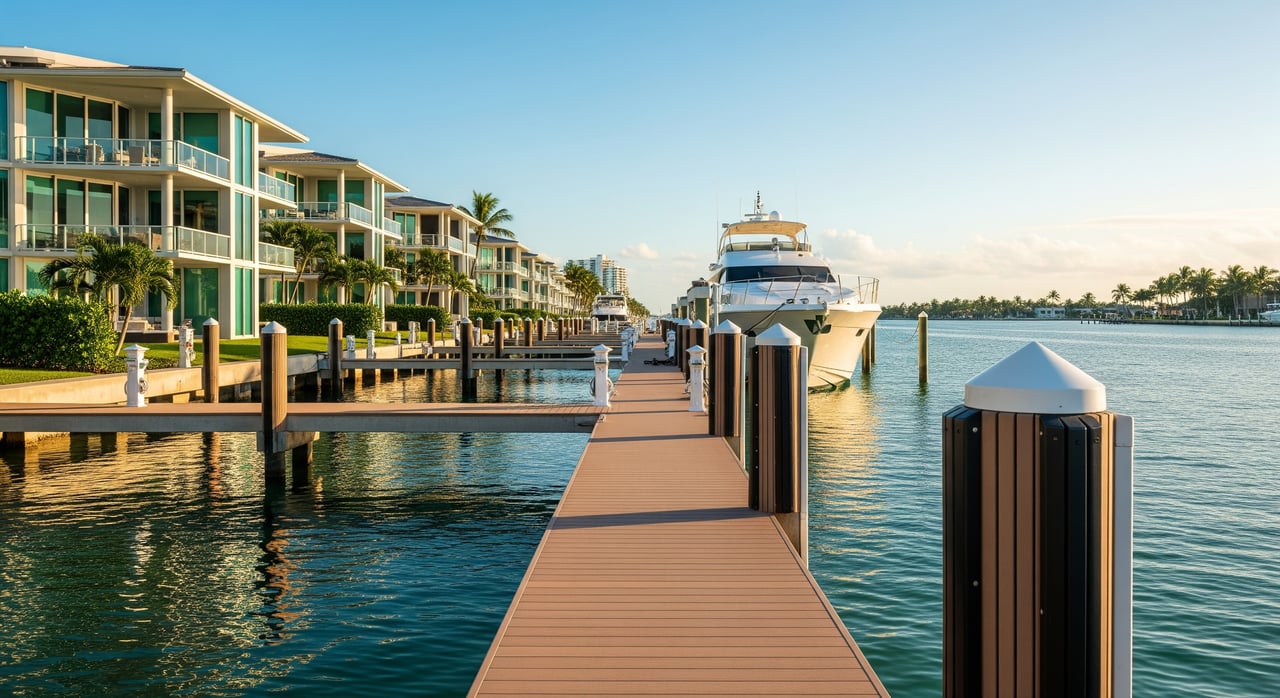
Know your dock and storage options
You will typically choose from a few setups, each with different costs and rules.
- Association docks and slips. Some condos own docks managed by the HOA. Slips may be deeded to units, assigned, or leased from a waitlist. Vessel length, beam, draft, and insurance minimums often apply.
- Commercial marinas. Private marinas provide wet slips, transient space, fueling, repairs, and sometimes dry stack. Expect professional management and clearer service menus.
- Municipal marina. City-run facilities can offer public slips or guest moorings, sometimes with resident vs non-resident policies and different fees.
- Dry stack storage. Common in South Florida. Good for smaller powerboats that fit lift limits and for owners who want quick launches with lower maintenance than a wet slip.
- Trailer storage and ramps. Public and private ramps exist, but trailer storage rules vary by city and facility. Do not assume a condo allows trailer parking on site or on the street.
Audit each condo or marina
A consistent checklist keeps your choices clear and your vessel safe. Build an apples-to-apples sheet for every property you consider.
Property identification
- Exact name and address.
- Waterfront type: ICW-facing or canal. Note if any lift or narrow canal sections affect access.
- Distance by nautical miles to the nearest inlet and which inlet it is.
Slip and dock characteristics
- Slip type: owned, HOA-assigned, leased, or commercial rental.
- Max slip length and beam and how beam is measured relative to pilings.
- Water depth at Mean Low Water and approach channel depth.
- Fixed or movable bridges on the route plus their published clearances.
- Shore power specs, potable water, pump-out, and fueling access.
- Dock construction and condition: fixed or floating, piling integrity, gangway slope at tides.
- Guest slip availability and liveaboard policy.
Dry storage and trailer policies
- Rack storage availability, max LOA, beam, and lift weight limits.
- Launch and retrieval hours and expected wait times on weekends.
- On-site or off-site trailer storage rules and fees.
- Ramp access and whether launches are included in membership or billed per use.
Administration, contracts and costs
- Ownership model of slips: deeded, license, or third-party lease.
- Transferability on resale and any HOA approval required.
- Lease terms and renewal rights if leased.
- Fee schedule, deposits, insurance requirements, and any waitlist.
- Dock maintenance assessments and reserves for dredging or piling repair.
Practical operations
- Marina hours, after-hours access, and security controls.
- Local fueling options for gas or diesel.
- Nearby repair services and haul-out capacity.
- Pump-out and environmental policies.
Plan your route and bridges
Tides in Southeast Florida are modest, yet even 1 to 3 feet can change fixed bridge clearance, draft margins, and gangway angles. Check reliable tide predictions for the closest station before tight transits or when you are learning a new route. Wind-driven water levels can further affect depth and clearance on certain days.
Expect a mix of fixed and movable bridges along the ICW and canals. Fixed bridge heights are limiting for sailboats and vessels with arches or antennas. Movable bascule bridges open for vessel traffic but may follow set schedules or have limited hours, so confirm opening times in advance. Record the clearance reference used for each bridge and measure your boat with antennas included.
Depths in the ICW are maintained by the U.S. Army Corps of Engineers, yet shoaling changes conditions between dredge cycles. Marinas and canal basins can be shallower or deeper than the channel, so verify both. Keep your charts updated and review local notices to mariners for current advisories.
Rules, insurance and approvals
Condo and marina rules often specify vessel size, beam, horsepower, and whether generators, charters, or overnight stays are allowed. Some associations prohibit commercial activity or limit frequency of guest docking. Many require approvals before adding lifts, davits, or dock modifications and may need city and state permits as well.
You will also follow municipal and state regulations that cover boat registration, safety training, and liveaboard rules in state waters. Insurance is usually required with minimum liability limits and additional insured language for the association or marina. If you are buying a used vessel, a marine survey helps align insurance and operational needs.
Dry storage and trailers
Dry stack appeals to owners of smaller powerboats who want quick launches and lower long-term hull maintenance. Confirm maximum boat dimensions, lift weight limits, and weekend release times to make sure your usage pattern fits the facility schedule. Ask about storm protocols and how launch queues work on busy days.
Trailer storage is frequently the scarcest resource near the coast. City rules and association policies can be strict about overnight or long-term trailer parking. Identify the exact trailer yard or off-site storage option you will use, along with fees and access hours, before you commit.
Costs, contracts and waitlists
Slip structures vary and affect value. A deeded slip tied to a unit offers different rights than a license or a separate third-party lease. Clarify whether the slip transfers with the unit, requires HOA approval, or must be acquired independently.
Review fee schedules carefully, including monthly slip fees, utilities, deposits, and any special assessments. Some associations maintain separate reserves for dock repairs or dredging. Waitlists for association slips and popular marinas are common and can shift with the season, so get the current estimate and the date it was confirmed.
Mapping and verification steps
Use a standard process to shortlist the right buildings and marinas for your boat.
- Build an initial list of waterfront condos in Pompano Beach and mark parcels on a map.
- Review satellite imagery to identify docks, lifts, and slip configurations for each building.
- Pull HOA documents to confirm slip ownership, allocation, transfer rules, and assessments.
- Call nearby marinas within 2 to 5 nautical miles to verify services, slip sizes, availability, and trailer policies.
- Check charts for depth at basins, approaches, and the ICW, and review recent notices for dredging or shoaling.
- List every bridge on the route, with clearance and opening status, and compare to your air draft.
- Create a one-page summary per property with max vessel LOA, beam, draft, clearance limits, storage, trailer rules, transferability, fees, waitlists, and distance to the inlet.
- Verify any unclear items with the HOA or dockmaster and note the date of contact.
Buyer checklist
Use this quick list before you make an offer or sign a slip agreement.
- Is the slip deeded, assigned, or leased, and does it transfer with the unit?
- Slip length, beam, and depth at Mean Low Water. Will your boat sit safely at low tide?
- Any fixed bridges on the route. Will your mast or radar arch clear at high tide?
- Liveaboard, charter, generator, and guest docking rules.
- Whether HOA approval is required for slip transfer or boat registration.
- Current and historical dock assessments and reserves for maintenance or dredging.
- Dry stack and trailer storage availability, hours, and costs if needed.
- Insurance minimums and whether the HOA or marina must be listed as additional insured.
- Local haul-out capacity and which yard can service your vessel size.
- Recent dredging or shoaling issues that affect your approach.
How I help you buy smart
You deserve a waterfront home that works for your lifestyle and your asset plan. I help you build a precise shortlist by aligning your vessel and usage with the right condo or marina, then verifying the critical details with HOA managers and dockmasters. You get one clear summary for each option, including slip specs, bridge limits, depth notes, storage and trailer logistics, fees, and transfer rules.
If you are an investor or an absentee owner, I fold these operational realities into your acquisition strategy and long-term plan. That includes rental positioning, oversight, and exit timing so your waterfront property functions as both a lifestyle upgrade and a confident asset. Ready to find the right fit in Pompano Beach? Connect with Sergey Shulga to build your custom shortlist and move forward with clarity.
FAQs
What makes Pompano Beach boat-friendly for condo owners?
- You have direct access to the ICW, short runs to Hillsboro Inlet or Port Everglades for ocean access, and a mix of association docks, commercial marinas, and dry storage options.
How do I confirm my boat will clear local bridges?
- Measure your air draft including antennas and compare to each bridge’s published clearance, then plan transits around tide predictions to maintain a safe margin.
What should I ask a condo HOA about slips?
- Ask whether slips are deeded or leased, how transfers work on resale, any size or liveaboard limits, current fees, reserves, waitlists, and recent or planned dock assessments.
Is dry stack storage a good alternative to a wet slip?
- It can be ideal for smaller powerboats if your boat fits the rack limits and the launch hours match your usage, often lowering maintenance versus staying in the water full time.
Can I keep a trailer at my condo in Pompano Beach?
- Many associations and cities restrict trailer parking, so confirm exact rules and secure an approved off-site yard or marina-based storage before committing.
What insurance do marinas or HOAs usually require?
- Expect minimum liability limits and proof of registration, and you may need to list the association or marina as additional insured with specific endorsements.
How do tides affect daily boating here?
- Even modest tidal swings can change fixed bridge clearance and draft margins, so checking local tide predictions helps you plan safer departures and returns.