Are you comparing Brickell’s flagship condo towers and wondering why two similar buildings can have very different monthly fees and rules? You are not alone. In Brickell, lifestyle, services and policies can affect your total cost of ownership more than you expect. In this guide, you will learn how to evaluate amenities, HOA assessments, insurance, rental policies and governance so you can choose the right building with confidence. Let’s dive in.
What drives HOA fees in Brickell
Core components of your monthly assessment
Your monthly assessment usually covers operating costs, master insurance, reserves, management fees and any bundled utilities. Operating costs include salaries for concierge, valet and security; janitorial services; utilities for common areas; and upkeep for pools and gyms. Associations also contribute to reserves for major items like elevators, roofs and façades. Many buildings include water, sewer and internet in the fee, and some bundle cable or even A/C and electricity for common areas.
A low fee is not always a win. If reserves are thin, the association may need a special assessment later. Always review the current budget and reserve study before you decide.
Service level and staffing
Staffing is the biggest fee driver. A hotel-style tower with 24/7 concierge, valet, doormen and on-site engineering will cost more to operate than a minimalist luxury building with limited staffing. Ask how many full-time staff the building has per 100 units, what services are in-house versus outsourced and the hours of coverage for concierge and valet. More staff delivers more convenience and speed, but it also increases your recurring expenses.
Amenity complexity and utilities
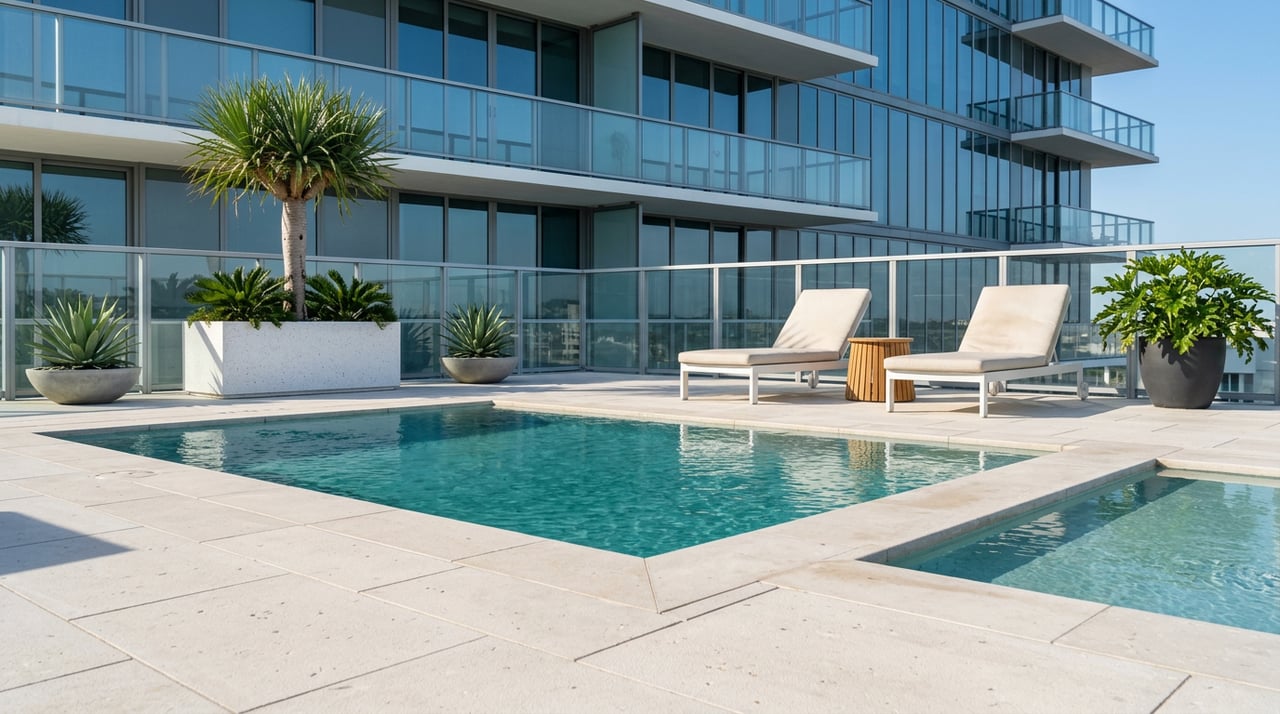
Amenities are not all equal. Multiple heated pools, water features, spa facilities and large landscaped decks require more maintenance and chemicals. Buildings that bundle internet, cable or A/C into the condo fee feel simpler for owners but raise monthly assessments. Review whether the building recently upgraded amenities and how those projects were funded. Reserve-backed upgrades are healthier for long-term costs than projects financed by special assessments.
Insurance, climate and the true cost of ownership
Most Brickell associations carry a master policy that covers the structure and common elements, including wind or hurricane coverage. You still need your own HO-6 policy for interiors, contents and loss of use, and separate flood insurance if your lender requires it or if you want the protection. Hurricane deductibles on master policies are often a percentage of insured value. On a high-value building, that deductible can be large when distributed to owners.
For insurance market updates and trends that may affect your premiums and deductibles, review guidance from the Florida Office of Insurance Regulation. When you analyze a building’s budget, pay attention to the insurance line item and any notes about deductible changes or coverage gaps.
Rental and use policies in luxury towers
Common rules you will see
Luxury towers in Brickell often set minimum lease terms and limit the number of leases per year. Minimums commonly range from 30 to 90 days in Miami, and many high-end buildings require 3 to 12 months. Some buildings require a waiting period before a new owner can lease, limit the percentage of units that can be rented at once or prohibit short-term rentals entirely. Subletting typically requires board approval.
These rules shape your flexibility. If you plan to rent seasonally or want options while traveling, verify the exact lease minimums, any first-year restrictions and the building’s stance on short-term rental platforms.
Why it matters for investors and second-home buyers
If you are optimizing for yield, strict lease minimums and low rental caps can limit income. If you value a quieter, owner-occupied vibe, tighter rules may suit your lifestyle and support resale stability. Brickell sits within the City of Miami, which licenses and enforces short-term rental activity. Even if a building’s bylaws look permissive, you must follow local rules. You can confirm licensing and compliance expectations on the City of Miami official website.
Management, governance and building health
What to evaluate
- Professional management company, its tenure and reputation
- Board transparency and meeting cadence
- Quality and timeliness of audited financials
- Reserve study and funding policy
- Capital improvement plans and recent project history
- Litigation history and insurance renewals
Healthy governance shows up in the day-to-day: clean common areas, reliable elevators, proactive maintenance and clear communication. Well-run associations protect asset value and support smoother resales.
Red flags to investigate
- Repeated or emergency special assessments
- Rising insurance premiums or deductibles, or trouble renewing coverage
- Low reserves compared to the latest reserve study
- Frequent management turnover or board instability
- Ongoing litigation that could limit reserve use or add risk
How to research quickly
Start with the legal and regulatory framework. Florida condominium associations operate under state law, and you can review the statutes through the Florida Legislature. For association governance resources and consumer guidance, use the Florida Department of Business and Professional Regulation. To verify parcel data and assess historical taxes on a unit, consult the Miami-Dade County Property Appraiser.
Request the building’s documents early in your process. If you see gaps, ask follow-up questions during your inspection and review periods.
Anonymized case snapshots
Hotel-style flagship
You want a seamless, serviced lifestyle. This building includes 24/7 concierge, full valet, spa with attendants and on-site engineering. Monthly fees are higher, but services are immediate and the amenity deck feels like a resort. You accept higher reserves and staffing expense for comfort and convenience.
Private minimalist luxury
You prefer privacy and value. This building offers secure access, a well-equipped gym and a lap pool with limited staffing. Fees are lower, and the association focuses reserves on the building envelope, elevators and essential systems. You trade daily service for lower carrying costs and a quieter environment.
Investor-flex tower
You want options to lease seasonally. This building allows shorter lease minimums, perhaps several leases per year, and uses a transparent rental registry. Fees are mid-range, but you carefully verify insurance costs and confirm no pending special assessments. You are comfortable with more leasing activity in the community.
Buyer due diligence checklist
Documents to request
- Declaration of Condominium and Bylaws
- House Rules and current Rental Policy, including amendments
- Most recent annual budget and current operating budget
- Last 3 years of audited financial statements
- Latest reserve study and funding policy
- Minutes of board meetings for the last 12 to 24 months
- Certificate of insurance for the association
- List of current and pending assessments and any association debt
- Litigation disclosure letter
- Management agreement and name of management company
- Parking deeds or leases and valet terms
- Rental registry or occupancy data if available
- Invoices or estimates for recent capital projects
Questions to ask
- What exactly is included in the monthly assessment, by category?
- What is the reserve fund balance, and how does it compare to the reserve study?
- Have there been any special assessments in the past five years? Why and how much?
- What are the rental rules: minimum term, first-year restrictions and caps on leases?
- Who manages the property and for how long?
- Any challenges with insurance renewals or changes to deductibles?
- Any open code issues, façade programs or inspection compliance items?
- What percentage of units are owner-occupied versus rented?
On-site checks
- Cleanliness and condition of the lobby, hallways and amenity areas
- Elevator wait times, cleanliness and reliability
- Pool and fitness equipment condition and maintenance schedules
- Evidence of deferred maintenance such as stains, corrosion or façade cracks
- Security presence, access control and camera coverage
Local context affecting costs
Greater scrutiny of building safety and long-term maintenance in Florida has increased the emphasis on structural inspections and reserves. Associations across South Florida are adjusting budgets to meet stronger expectations around maintenance and contingency planning. For the statutory framework that governs condominium operations, review the relevant sections on the Florida Legislature site. For consumer and association guidance, the Florida DBPR is a helpful resource.
Insurance costs across coastal markets have also been volatile. Premiums and deductibles may change year to year based on carrier appetite and building-level risk. Monitor updates from the Florida Office of Insurance Regulation as you evaluate buildings and plan your budget.
How we help you compare Brickell towers
Choosing the right Brickell tower is part lifestyle choice and part financial decision. You deserve a clear, data-backed comparison of services, fees, reserves, insurance exposure and rental flexibility. As your advisor, we can source the documents, analyze the budget and reserve study, coordinate inspections and, if you are an absentee owner, set up property and tenant management for a seamless handoff after closing.
If you want a private, investor-focused view of Brickell’s flagship towers and off-market options, connect with Sergey Shulga. Schedule a Consultation and get a side-by-side analysis tailored to your goals.
FAQs
What do Brickell condo HOA fees usually include in luxury towers?
- Fees often cover staffing, common-area utilities, master insurance, management fees, reserves and sometimes bundled services like water, internet or cable. Always verify line items in the current budget.
How do City of Miami rules affect short-term rentals in Brickell condos?
- The City of Miami regulates and licenses short-term rental activity, and buildings have their own restrictions. Even if a building is flexible, you must comply with city rules. Start with the City of Miami official website for licensing and enforcement context.
What insurance do I need if the association has a master policy?
- You typically need an HO-6 policy for interiors and contents, plus flood insurance if required. Review master policy deductibles and limits, then confirm your coverage with your insurer. For market context, see the Florida Office of Insurance Regulation.
How do I check a Brickell building’s financial health before I buy?
- Request the last three years of audited financials, the current budget, the latest reserve study and board minutes. Review litigation disclosures and the certificate of insurance. Florida condo law and owner rights are outlined by the Florida Legislature.
What is a special assessment and why does it happen?
- A special assessment is an extra payment ordered by the association to fund shortfalls or capital projects not covered by reserves. Common triggers include major repairs, insurance changes or underfunded reserves identified in the reserve study.