Choosing between a condo association and a homeowners association can feel like an alphabet soup decision. Yet in West Palm Beach, that choice shapes your monthly costs, your insurance, what you maintain, and how your community operates. If you want clarity before you write an offer, you’re in the right place.
In this guide, you’ll learn how Florida law defines each structure, what dues typically cover, how reserves and special assessments work, what insurance you need, and the local factors that move costs in Palm Beach County. You’ll also get a practical due diligence checklist you can use on any property. Let’s dive in.
Quick definitions under Florida law
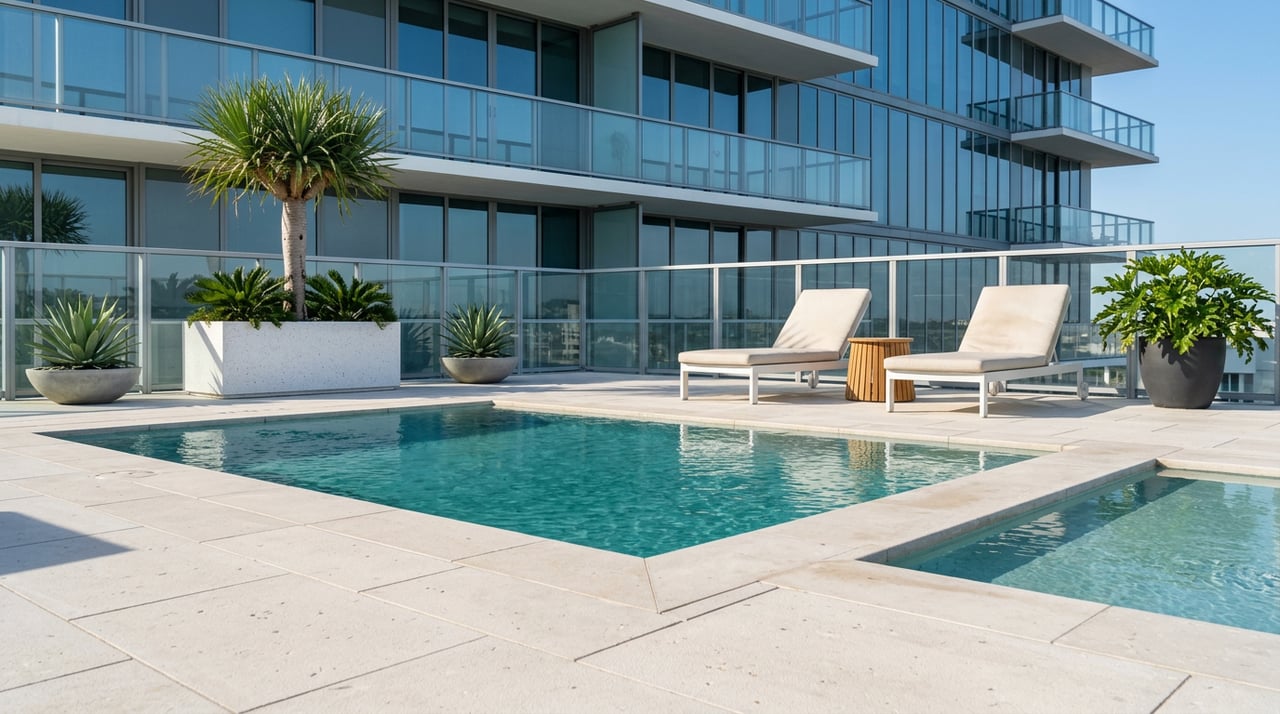
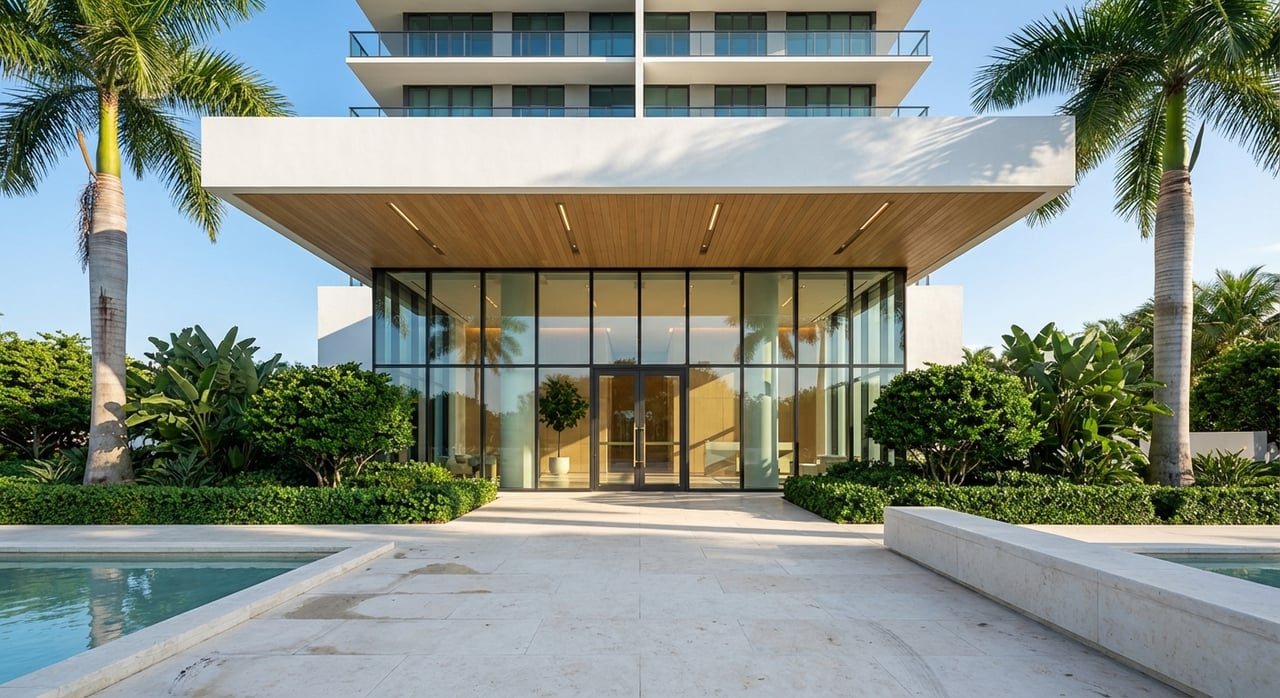
Condominiums are governed by Florida Statutes Chapter 718. You own your unit’s interior and a fractional interest in the building’s common elements. The association manages shared systems like roofs, exteriors, elevators, and parking structures.
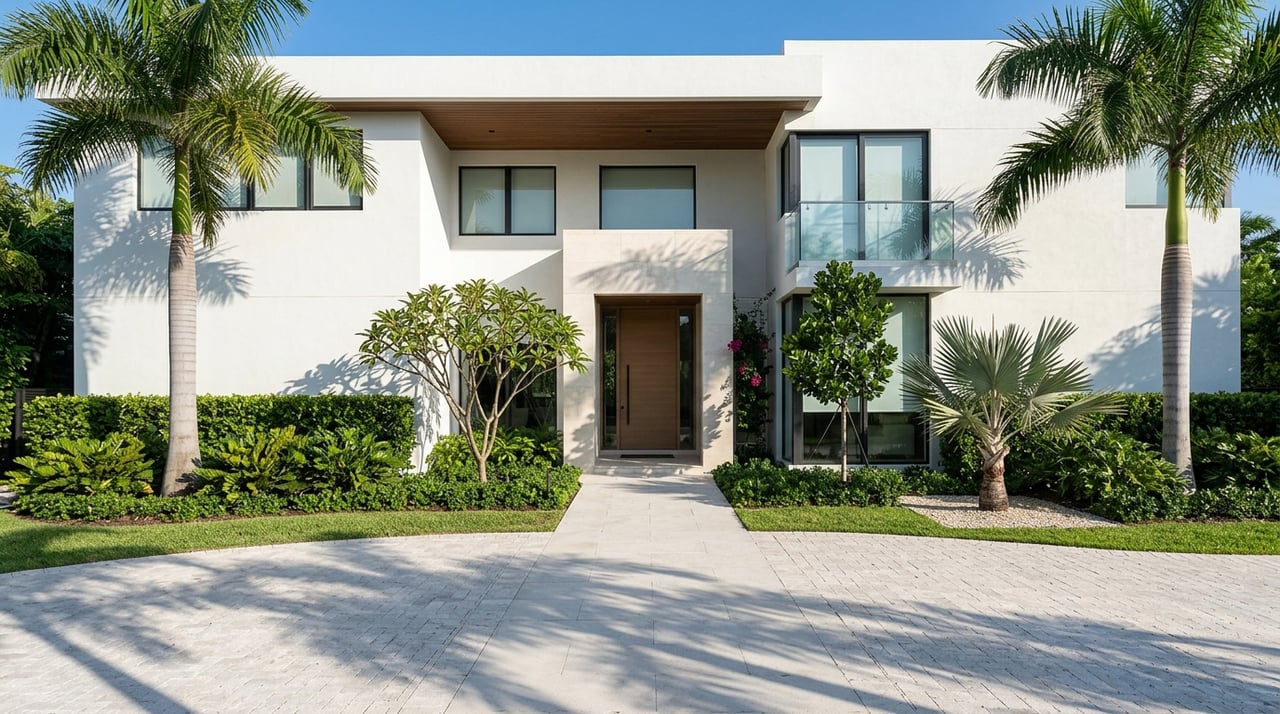
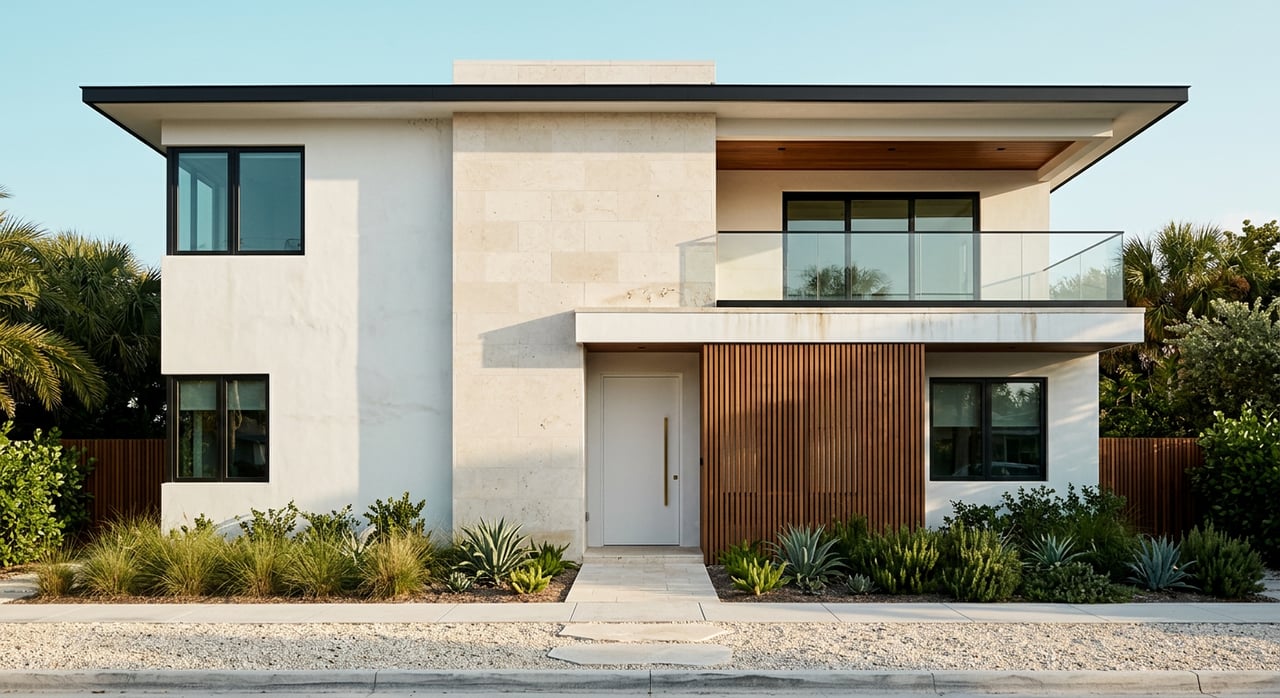
Homeowners associations are governed by Chapter 720. You typically own the lot and the structure. The HOA maintains common areas like parks, private roads, and amenities, and enforces community rules.
Both models usually require mandatory membership and assessments. Associations can place liens and, if unpaid, may proceed to foreclosure under Florida law. For consumer resources on condos and cooperatives, the state’s regulator, the Florida DBPR Division of Condominiums, Timeshares and Mobile Homes, offers guidance and forms.
What dues really cover
Condo assessments often include building insurance on a master policy, exterior and structural maintenance, elevator service, shared HVAC or plumbing systems, staff and management, and amenities such as pools and garages. High-amenity or high-rise properties usually carry higher dues to support staffing and complex systems.
HOA dues typically fund landscaping of common areas, private road upkeep, community gates, clubhouse or pools, security, and management. Owners pay and manage their own dwelling insurance and exterior upkeep unless the documents say otherwise. Communities with minimal amenities tend to have lower dues but put more maintenance on the owner.
Always request the latest budget and ask exactly what utilities and services the assessment covers. Buildings with on-site staff or included utilities usually cost more month to month.
Reserves, special assessments, and risk
Reserves are savings for big-ticket repairs: roofs, painting, paving, elevator overhauls, concrete restoration, and other capital projects. Florida requires associations to prepare budgets and provide financial disclosures. Many commission reserve studies by qualified professionals, but funding levels vary by community.
When reserves are thin or unexpected issues pop up, associations can levy special assessments. Both condos and HOAs have this power. Review reserve balances, recent reserve studies, and board minutes to gauge risk. A pattern of large or frequent special assessments is a red flag you should not ignore.
Insurance in Palm Beach County
Condo associations carry a master insurance policy for common elements and structural components as defined by the declaration and statute. Unit owners usually buy an HO-6 policy for interior finishes, personal property, and recommended loss assessment coverage. Be mindful that master policy deductibles for wind or hurricane claims can be significant and may be passed to owners.
In HOAs, the association insures common areas and liability for amenities. You insure the dwelling, contents, and personal liability. Townhome-style communities can be hybrids, so confirm who covers roofing, exterior walls, and windows in the declaration.
Flood and windstorm coverage are key in coastal South Florida. Lenders typically require flood insurance for properties in special flood hazard areas. You can check a property’s FEMA flood zone using the FEMA Flood Map Service Center and then confirm lender requirements and premiums with your insurer.
Maintenance and daily operations
In condos, the association maintains exterior building systems and shared infrastructure. You maintain interior, non-structural components unless your declaration says otherwise. In HOAs, owners handle their home’s exterior unless the HOA provides that service in writing.
Associations can be self-managed or managed by a professional company. Either way, elected boards make day-to-day decisions. Both Chapters 718 and 720 outline meeting notices and records access. Review the last 12 to 24 months of meeting minutes to understand upcoming projects, board stability, and any management disputes.
West Palm Beach realities that affect costs
Coastal exposure and hurricanes influence insurance pricing and risk. In parts of West Palm Beach, flood risk and windstorm deductibles can shape your carrying costs. Confirm not only premiums but also deductibles and how they can be allocated after a claim.
After the 2021 Surfside tragedy, Florida implemented new requirements for inspections and disclosures for certain multi-story condos. Ask whether the building completed required structural inspections or recertification and whether significant repairs are pending. Older mid- and high-rises may face concrete restoration, waterproofing, and elevator modernization, which can drive assessments. You can explore local permitting and code information through Palm Beach County’s Planning, Zoning & Building – Building Division.
Key local cost drivers include building age, waterfront exposure, amenity level and staffing, parking structures, and centralized systems like elevators. Downtown and waterfront buildings often carry higher insurance and maintenance due to environmental exposure and service levels.
Which fits your lifestyle and budget?
Choose a condo if you want less direct responsibility for exterior systems, centralized services, and on-site staff. Expect higher dues that fund those shared systems and the building’s insurance.
Choose an HOA community if you want a detached home and more control over the property. Plan for exterior maintenance and separate dwelling insurance. Townhome communities can blur the lines, so read the documents to see who maintains what.
If you are relocating, start with lifestyle first. Do you want lock-and-leave convenience and walkability, or a private yard and more space? Then model total carrying costs, including insurance, dues, and likely capital projects over the next five to ten years.
Your due diligence checklist
Use this list before you commit. Ask for these items upfront or during your contingency window:
- Core documents: Declaration or CC&Rs, Bylaws, Articles, and rules
- Financials: Current budget and the last two years of financial statements
- Reserves: Most recent reserve study and funded level of reserves
- Minutes: Board and special meeting minutes for the last 12–24 months
- Resale/estoppel certificate: Assessments due, pending or approved special assessments, and key disclosures as required by Chapters 718 and 720
- Insurance: Master policy certificate, coverage scope, and deductibles; confirm needed owner policies
- Legal: Litigation summary and legal expense history
- Vendors: Management contract and major service contracts like elevators, security, and landscaping
- Reports: Engineering or structural inspection reports, roof and pool deck inspections, and related permits or scopes
Key questions to ask:
- What do the monthly dues include, exactly?
- How funded are the reserves versus recommendations?
- Are special assessments planned or recently levied? Why?
- Any pending lawsuits, major insurance claims, or code citations?
- What are rental and pet policies, including lease minimums and short-term rules?
- Who maintains windows, balconies, and in-unit systems?
- What are typical annual assessment increases?
- What is the FEMA flood zone and how are windstorm deductibles handled?
Red flags that warrant deeper review:
- Large or frequent special assessments in recent years
- Very low reserves or a reserve study showing significant deferred maintenance
- Ongoing major litigation
- High or escalating insurance deductibles passed to owners
- Unusually restrictive rental policies if you plan to rent
- Frequent board turnover or management instability
How we help
You do not have to navigate documents, reserves, and insurance in a vacuum. With deep experience across South Florida and Palm Beach County, we help you source the right properties, analyze total carrying costs, review association budgets and minutes, and plan for capital exposure so there are fewer surprises after closing. If you are an investor or a seasonal owner, our operational lens helps you align lifestyle and ROI.
Ready to compare specific buildings or communities and run the numbers? Connect with Sergey Shulga to schedule a consultation and make a confident choice.
FAQs
What is the legal difference between an HOA and a condo association in Florida?
- Condos fall under Florida Statutes Chapter 718 and HOAs under Chapter 720; the big distinction is unit ownership plus shared common elements in condos versus lot and structure ownership in HOAs.
How do condo fees compare to HOA dues in West Palm Beach?
- Condo fees are often higher because they include building insurance, shared systems, and staffing; HOA dues are usually lower but owners cover exterior maintenance and dwelling insurance.
What should I check about reserves and special assessments before buying?
- Review the latest budget, reserve study, and 12–24 months of minutes; ask about planned projects and the history of special assessments to gauge the risk of future increases.
What insurance do I need for a condo unit versus a home in an HOA?
- Condo owners typically need an HO-6 policy for interior finishes and personal property, while associations insure common elements; HOA owners insure the entire structure and contents, with the HOA covering only common areas.
How do I verify flood risk for a West Palm Beach property?
- Look up the FEMA flood zone using the FEMA Flood Map Service Center and confirm lender requirements and premiums with your insurance provider.
What post-Surfside issues should I ask about in older condo buildings?
- Ask whether required structural inspections or recertifications have been completed, what the reports say, and whether large repairs are pending that could lead to special assessments.